How Traditional Chinese Medicine (TCM) Can Help Support Patients with PMOS
Polyendocrine Metabolic Ovarian Syndrome (PMOS).(PMOS) is one of the most common endocrine disorders affecting women of reproductive age and is a complex metabolic and hormonal condition that affects the entire body.
For many women, the diagnosis of PMOS comes with a sense of frustration. Conventional Western medicine often focuses on symptom management—prescribing birth control pills to regulate periods, Metformin for insulin resistance, or Clomid to induce ovulation. While these treatments can be effective for specific symptoms, they often fail to address the underlying imbalances causing the syndrome.
This is where Traditional Chinese Medicine (TCM) offers a compelling alternative or complementary approach. With a history spanning thousands of years, TCM views the body not as a collection of separate parts, but as an interconnected energetic system. By identifying and treating the "root patterns" of disharmony unique to each individual, TCM aims to restore the body’s natural rhythm and fertility.
In this article, we will look at how TCM conceptualizes PMOS, the specific therapies used to treat it, and how a holistic approach can support patients in reclaiming their hormonal health.
Understanding PMOS Through the Lens of TCM
In Western medicine, PMOS is a singular diagnosis. In Traditional Chinese Medicine, however, ten different women with a PMOS diagnosis might receive ten different treatment plans. This is because TCM does not treat the disease label; it treats the pattern of disharmony presenting in the patient.
TCM practitioners look at the body in terms of substances (Qi, Blood, Yin, Yang) and organ systems (Kidney, Spleen, Liver). When these are in balance, health thrives. In the context of PMOS, four primary patterns of disharmony usually emerge:
1. Kidney Deficiency: The Constitutional Root
In TCM theory, the Kidneys are considered the foundation of our constitution and are directly responsible for reproduction, growth, and maturation. They are the reservoir of Jing (essence). A deficiency in Kidney energy (specifically Kidney Yang or Kidney Yin) is often viewed as the underlying genetic or constitutional susceptibility to PMOS.
Kidney Yang Deficiency: Yang represents warmth, movement, and transformation. When Kidney Yang is deficient, the body lacks the "fire" needed to stimulate ovulation. Women with this pattern may experience delayed periods, cold hands and feet, low libido, lower back pain, and fatigue.
Kidney Yin Deficiency: Yin represents cooling, fluids, and substance. A lack of Yin can lead to false heat, night sweats, and scanty periods.
Treating the Kidneys is almost always a part of a TCM protocol for PMOS to boost the body’s innate reproductive potential.
2. Spleen Deficiency and Phlegm-Dampness
This is perhaps the most common pattern associated with the metabolic type of PMOS (often linked to insulin resistance and weight gain). In TCM, the Spleen is responsible for digestion and transforming food into Qi (energy) and Blood.
If the Spleen is weak, it cannot process fluids correctly. These fluids accumulate and thicken, turning into pathological "Dampness" and "Phlegm." This Dampness can settle in the lower abdomen (the uterus and ovaries), physically obstructing the reproductive organs. This obstruction is what TCM often attributes to the formation of cysts.
Symptoms of this pattern include weight gain, a feeling of heaviness in the body, brain fog, fatigue after eating, and a thick, greasy coating on the tongue.
3. Liver Qi Stagnation
The Liver in TCM is responsible for the smooth flow of Qi (energy) throughout the body and the regulation of emotions. It also plays a crucial role in the menstrual cycle. Stress, repressed emotions, and a fast-paced lifestyle can cause the Liver Qi to "stagnate" or get stuck.
When the Qi stops moving, Blood circulation slows down. This stagnation can inhibit ovulation and cause irregular cycles. Women with this pattern often experience significant PMS, irritability, breast tenderness, and painful periods. Because stress is a major trigger for PMOS symptoms (raising cortisol levels), addressing Liver Qi Stagnation is vital for mental and physical balance.
4. Blood Stasis
When Phlegm-Dampness or Qi Stagnation persists for a long time, it can lead to Blood Stasis. This is a more severe form of obstruction. In the context of PmOS, the cysts on the ovaries are often viewed as a mix of Phlegm and congealed Blood. Patients with Blood Stasis may experience painful periods with clots, a dark purple menstrual flow, or sharp, fixed pains in the abdomen.
The Role of Acupuncture in Treating PMOS
While it may seem esoteric, modern research is increasingly validating the physiological mechanisms behind acupuncture, particularly for PMOS.
Regulating the HPO Axis
PMOS is fundamentally a disruption of the Hypothalamic-Pituitary-Ovarian (HPO) axis—the communication loop between the brain and the ovaries. Acupuncture has been shown to help regulate this axis. By stimulating specific nerve pathways, acupuncture can influence the secretion of GnRH (gonadotropin-releasing hormone), LH (luteinizing hormone), and FSH (follicle-stimulating hormone), encouraging the body to ovulate naturally.
Improving Blood Flow to the Ovaries
A major issue in PMOS is restricted blood flow to the uterus and ovaries due to high sympathetic nervous system activity (the "fight or flight" response). Acupuncture inhibits this sympathetic activity, allowing the blood vessels to dilate. Enhanced blood flow ensures that the ovaries receive the hormonal signals and nutrients they need to mature a follicle and release an egg.
Reducing Insulin Resistance
For women with metabolic PMOS, acupuncture can be a powerful ally. Studies suggest that electro-acupuncture (where a mild electric current is passed between needles) can improve insulin sensitivity and glucose metabolism. By helping the body utilize insulin more effectively, androgen (testosterone) levels may decrease, reducing symptoms like acne and hirsutism (excess hair growth).
Stress Reduction
Never underestimate the role of stress in hormonal imbalance. High cortisol levels "steal" the raw materials needed to make progesterone, a hormone essential for a healthy menstrual cycle. Acupuncture is well-known for stimulating the release of beta-endorphins and serotonin, moving the body into a parasympathetic ("rest and digest") state where healing and hormonal regulation can occur.
Chinese Herbal Medicine: Customizing the Cure
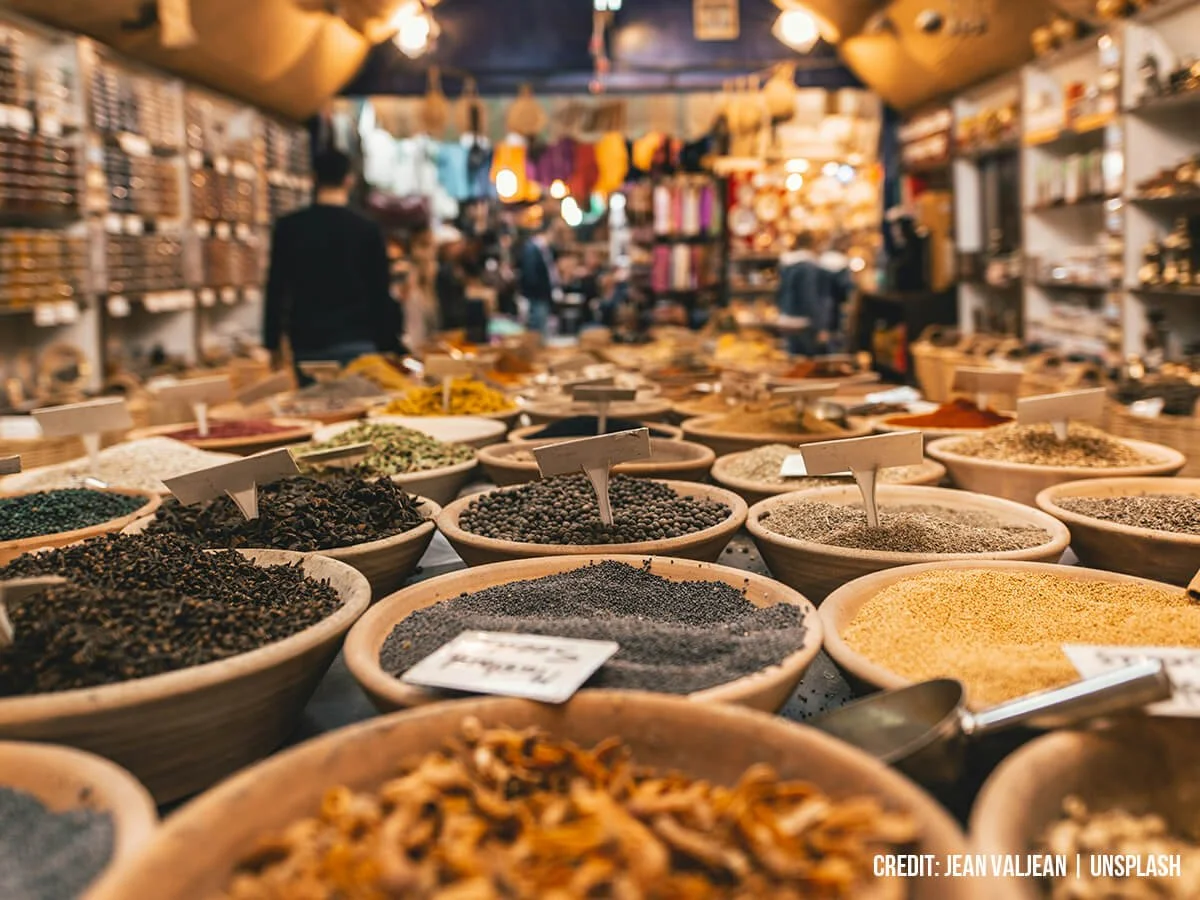
While acupuncture works on the energetic pathways, Chinese herbal medicine works on the internal biochemistry of the body. In TCM, herbs are rarely used singly; they are combined into sophisticated formulas tailored to the patient’s specific pattern.
For a PMOS patient, a herbal formula might aim to:
Dissolve Phlegm and drain Dampness: Using herbs like Ban Xia (Pinellia) or Fu Ling (Poria) to address the metabolic accumulation and cysts.
Invigorate Blood: Using herbs like Tao Ren (Peach Kernel) to break up stasis and encourage regular menstruation.
Warm the Kidney Yang: Using herbs like Rou Gui (Cinnamon Bark) to restart the reproductive fire.
Move Liver Qi: Using herbs like Chai Hu (Bupleurum) to reduce stress and regulate the cycle.
Note: It is crucial to consult with a qualified TCM herbalist before taking any herbs, especially if you are already taking Western medications like Metformin or Letrozole. A professional can ensure there are no drug-herb interactions and that the formula is safe for your specific constitution.
Nutrition and Dietary Therapy: Food as Medicine
In the West, "dieting" often implies calorie restriction. In TCM, dietary therapy is about the energetic properties of food. For women with PMOS, particularly those with the Phlegm-Dampness pattern, dietary changes are non-negotiable for long-term success.
Resolving Dampness
Since "Dampness" is a major factor in PMOS, the TCM diet focuses on strengthening the Spleen so it can metabolize fluids efficiently.
Avoid Cold and Raw Foods: Raw salads, smoothies, and iced drinks require a lot of digestive fire to break down. If your Spleen is already weak (Spleen Qi Deficiency), eating raw foods further dampens your digestive fire, leading to more bloating and fluid retention.
Prioritize Warm, Cooked Foods: Soups, stews, stir-fries, and roasted vegetables are pre-digested by heat, making them easier for the body to absorb without creating Dampness.
Limit Dairy and Sugar: In TCM, dairy and refined sugars are considered the most "damp-forming" foods. Reducing or eliminating these can have a profound effect on the "heaviness" and brain fog associated with PMOS.
Seed Cycling and Blood Nourishment
TCM also emphasizes nourishing the Blood, especially after menstruation. Incorporating foods like goji berries, spinach, dates, and black sesame seeds can support the follicular phase of the cycle. Many TCM practitioners also support "seed cycling"—using flax and pumpkin seeds in the first half of the cycle, and sesame and sunflower seeds in the second half—to support estrogen and progesterone balance, respectively.
Lifestyle Adjustments: Moving Qi
Exercise is essential for PMOS, but the type of exercise matters. In TCM, vigorous exercise that depletes the body is not always recommended, especially for those with Kidney Deficiency.
However, for those with Liver Qi Stagnation (stress) and Phlegm-Dampness (weight gain), movement is critical to get the stuck energy moving.
Tai Chi and Qi Gong: These gentle, meditative movements are excellent for lowering cortisol and moving Qi without depleting the body’s reserves.
Brisk Walking: A simple daily walk helps move Liver Qi and improves insulin sensitivity.
Sleep Hygiene: In TCM, 11:00 PM to 3:00 AM is the time of the Liver and Gallbladder. Being asleep during these hours is critical for the blood to return to the Liver for cleansing and renewal. Chronic late nights can exacerbate Liver Qi Stagnation and Blood Deficiency, worsening PMOS symptoms.
Integrating TCM with Western Medicine
It is important to note that choosing TCM does not mean you must reject Western medicine. In fact, an integrative approach is often the most effective path, especially for women trying to conceive.
Many fertility clinics now recommend acupuncture to support IVF and IUI cycles. TCM can prepare the body in the months leading up to a retrieval or transfer by improving egg quality and thickening the uterine lining.
If you are taking Metformin or birth control, acupuncture can help mitigate the side effects (such as digestive upset or mood swings) while working on the deeper root cause so that, eventually, reliance on medication might be reduced under the supervision of your doctor.
Traditional Chinese Medicine (TCM) is a personalized system of care, and all recommendations should be tailored to your unique presentation by a qualified practitioner. Readers should not rely on the information contained herein as a substitute for professional diagnosis or treatment. If you are experiencing symptoms of PMOS, endometriosis, or any other health concern, you are encouraged to consult with a licensed healthcare provider and a qualified TCM practitioner before making any dietary or therapeutic changes.
Take the Next Step Toward Hormonal Health
You don't have to navigate PMOS alone. At Total Wellness Centre, our experienced practitioners specialize in women's health and fertility, utilizing the ancient wisdom of Traditional Chinese Medicine to craft modern, effective treatment plans.
Contact us today at 416-532-9094 to schedule your consultation and begin your path to wellness.