Dietary Dos and Don'ts: Nutritional Advice from a TCM Perspective for PCOS and Endo Warriors
Living with Polycystic Ovary Syndrome (PCOS) or Endometriosis ("Endo") can feel like a constant battle. You are, indeed, a "warrior," navigating complex symptoms that range from chronic pain and hormonal chaos to metabolic challenges and fertility concerns. While Western medicine offers crucial interventions, many women seek a more holistic approach to manage their health. This is where Traditional Chinese Medicine (TCM) offers profound wisdom.
In TCM, there is no "one-size-fits-all" diagnosis. Instead, we look at your body's unique "pattern of disharmony." And one of the most powerful tools we have to restore harmony is not in an acupuncture needle or an herbal formula, but right on your plate. From a TCM perspective, food is medicine. It has the power to either fuel dysfunction or build a foundation for health.
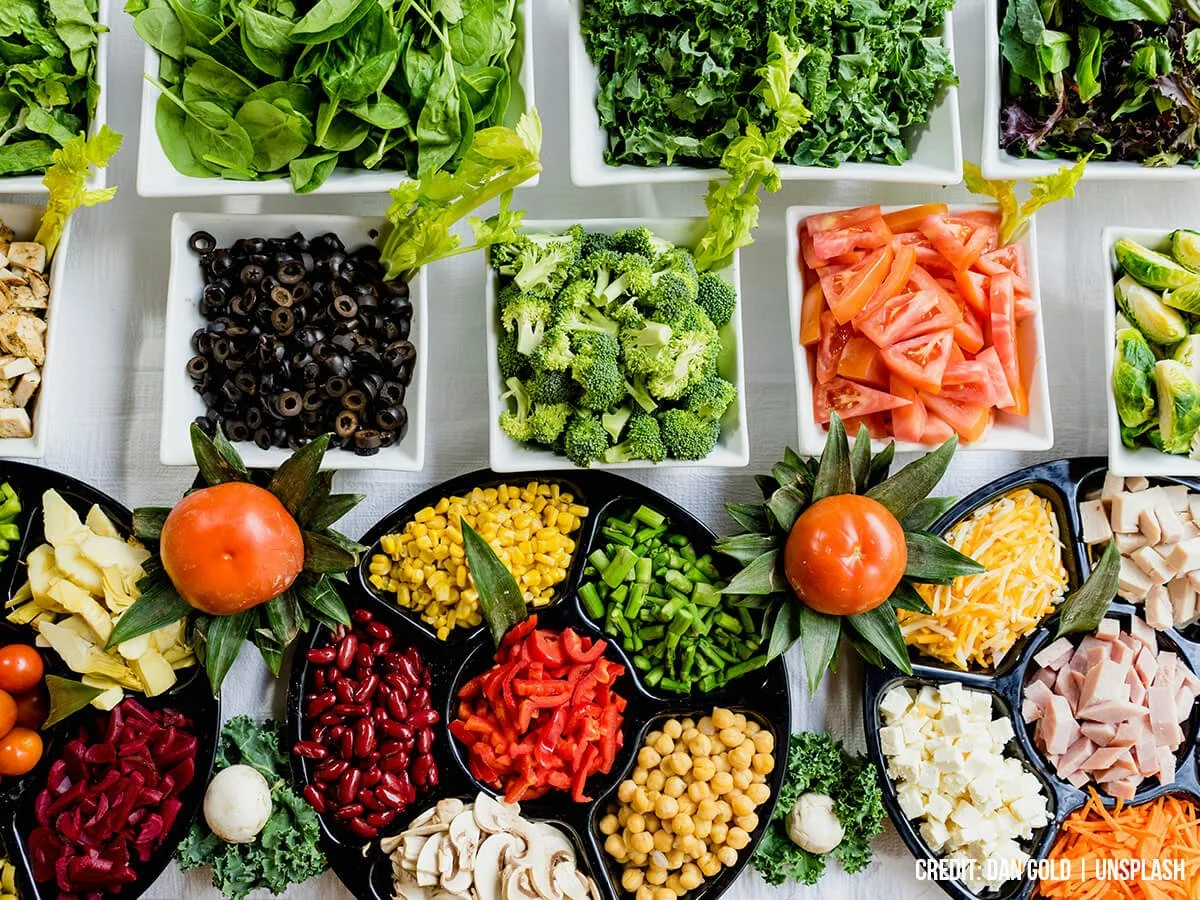
PCOS and Endo Through the TCM Lens
While PCOS and Endometriosis manifest differently, TCM often traces their roots to related imbalances in the body's energetic systems, particularly those governing the "Uterine Palace" (Zi Gong).
PCOS in TCM
This condition is most frequently associated with a pattern of Dampness and Phlegm. Imagine your body's metabolic processes (governed by the Spleen) becoming sluggish. Instead of efficiently transforming food into energy (Qi) and Blood, the system becomes "bogged down." This "dampness" congeals into "phlegm," which, in this context, can be conceptually linked to the cysts, weight gain, and insulin resistance common in PCOS. This is often rooted in a Spleen Qi or Kidney Yang Deficiency.
Endometriosis in TCM
This is almost always diagnosed as Blood Stasis. Quite literally, blood that is not moving freely and has become "stuck" outside of its proper pathways, leading to the characteristic sharp, fixed, and severe pain. This stasis is often driven by two other patterns: Liver Qi Stagnation (often from chronic stress or frustration) or Internal Cold, which "congeals" the blood and stops its flow.
The dietary goal for PCOS is to dry dampness and strengthen the Spleen. The goal for Endo is to invigorate Blood and soothe the Liver. Fortunately, the foundational advice for both is remarkably similar.
The Core "Don't": Dousing Your Digestive Fire
If you take only one piece of advice from this article, let it be this: stop eating cold and raw foods.
In TCM, your digestive system (Spleen and Stomach) is viewed as a "digestive fire" or a "cauldron" that must "cook" the food you ingest to transform it. When you consume iced water, smoothies, ice cream, or large raw salads, you are essentially "dousing" that fire. Your body must expend a massive amount of its own vital energy (Yang Qi) just to warm the food to body temperature before digestion can even begin.
For the PCOS Warrior
This weakens your Spleen Qi, making it less efficient at transforming food and more likely to create the very "dampness" you are trying to fight.
For the Endo Warrior
This creates "Internal Cold," which congeals Blood and worsens stasis and pain.
The "Do": Prioritize warm, cooked foods. Think soups, stews, roasted vegetables, and steamed grains. Drink water at room temperature or warmer (like herbal teas).
The "Don't": Foods That Create Dampness and Phlegm
This category is especially crucial for PCOS warriors but is also vital for anyone with a compromised digestive system. "Damp-producing" foods are those that are heavy, rich, and difficult for the Spleen to process.
The main culprits are:
Sugar and Refined Carbohydrates
This is the #1 damp-creator. It's a quick, "dirty" fuel that gums up the system, feeds inflammation, and (in Western terms) spikes insulin, exacerbating PCOS symptoms.
Dairy
Products like milk, cheese, and especially ice cream are considered highly phlegm-producing in TCM. They are "heavy" and clog the energetic pathways.
Greasy & Fried Foods
Like dairy, these are too rich and heavy for a weakened Spleen to manage, leading directly to more dampness.
The "Do": Focus on whole foods. Swap refined white bread for small amounts of brown rice or quinoa. Replace cow's milk with unsweetened almond milk (in moderation and not ice-cold). Use sugar as a rare treat, not a daily staple.
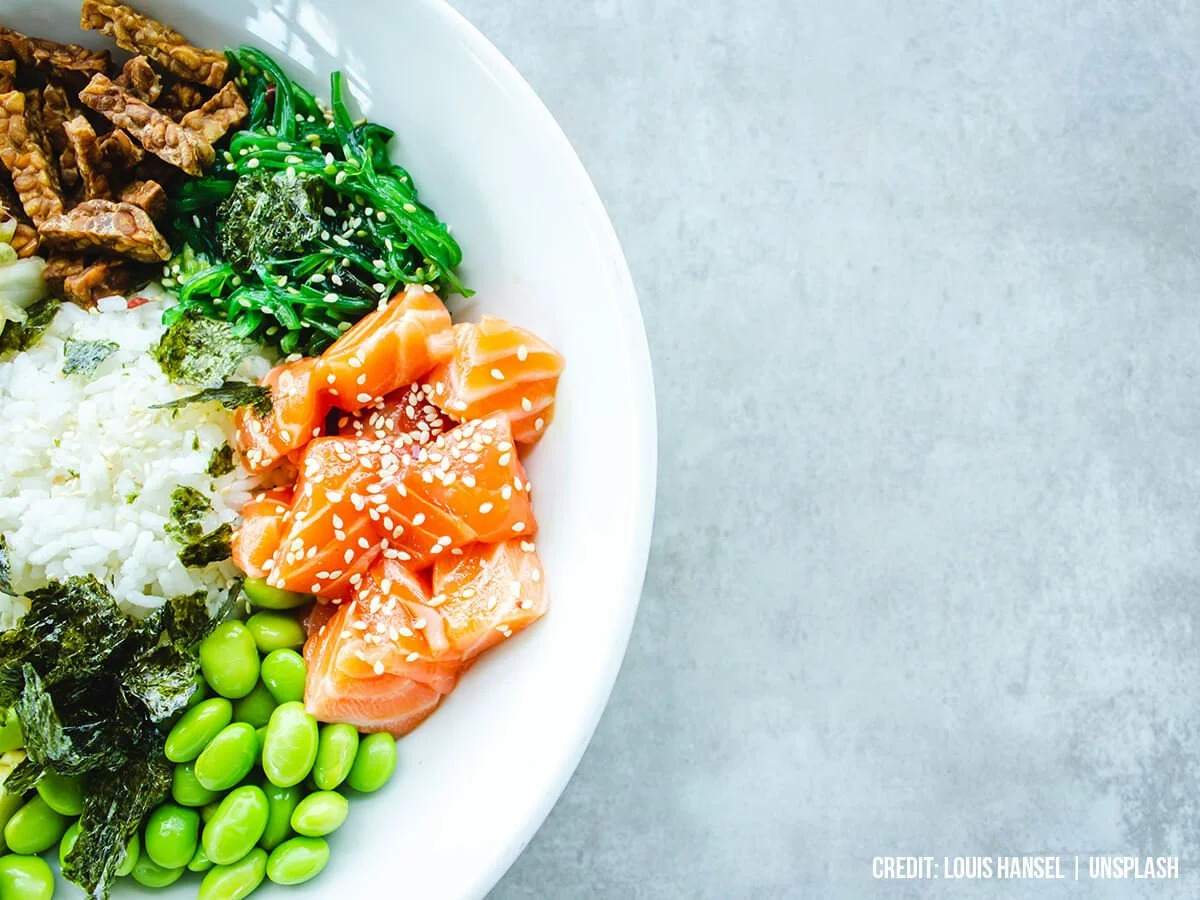
Dietary "Dos" for PCOS Warriors: Strengthen the Spleen, Resolve Damp
Your primary goal is to eat foods that are easy to digest and have "damp-draining" properties. You want to "lighten the load" on your system.
Strengthen the Spleen
Eat warm, regular meals (especially breakfast!). Good foods include roasted root vegetables (squash, sweet potato), lean proteins (chicken, fish), and whole grains like congee (rice porridge).
Resolve Dampness
Incorporate foods that have a "draining" or slightly bitter quality. This includes:Legumes: Adzuki beans, lentils, chickpeas.
Vegetables: Celery, mushrooms, pumpkin, turnips, onion, garlic.
Grains: Barley (a classic damp-draining grain), rye, quinoa.
Greens: Arugula, kale, asparagus (all lightly cooked).
Warming Spices
Use ginger, cinnamon, cardamom, and fennel in your cooking. These "warm" the digestive fire and help resolve dampness.
Dietary "Dos" for Endo Warriors: Move Qi and Blood, Soothe the Liver
Your primary goal is to get things moving and to reduce the stagnation that causes pain.
Move Qi
When Qi (energy) moves, Blood follows. Use aromatic and pungent foods to break up stagnation.Spices: Turmeric, ginger, garlic, fennel, cloves, and mint.
Vegetables: Onions, scallions, chives, radishes (daikon).
Invigorate Blood
Focus on foods that gently "move" the blood without being harsh.Dark Leafy Greens: Kale, spinach, chard. These build blood, which is crucial—you can't move blood if you are deficient.
Beets: Famous for both building and moving blood.
Certain fungi like wood ear mushrooms.
Soothe the Liver
Since Liver Qi Stagnation (from stress) is a huge driver, avoid "agitators" like caffeine and alcohol, which can make stagnation worse. Instead, embrace sour flavors (in moderation) which "enter" the Liver channel, like a splash of lemon or apple cider vinegar.
Eating from a TCM perspective is not a restrictive diet; it's a shift in perspective. It’s about choosing foods that support your body's energetic needs, "unblocking" stagnation for the endo warrior and "draining the swamp" for the PCOS warrior. By embracing warm, nourishing, and intentionally chosen foods, you are adding one of the most powerful tools available to your healing arsenal.
Create a Personalized Nutrition Plan
Address your unique TCM pattern and support your fertility journey with a nutrition plan specifically for you.
Traditional Chinese Medicine (TCM) is a personalized system of care, and dietary recommendations should be tailored to your unique presentation by a qualified practitioner. Readers should not rely on the information contained herein as a substitute for professional diagnosis or treatment. If you are experiencing symptoms of PCOS, endometriosis, or any other health concern, you are encouraged to consult with a licensed healthcare provider and a qualified TCM practitioner before making any dietary or therapeutic changes.
For natural Endometriosis and PCOS treatment in Toronto, contact Total Wellness Centre at 416-532-9094 to schedule your consultation.