Can You Improve Poor Egg Quality Naturally? What Chinese Herbal Medicine Recommends
Key Takeaways
Egg quality refers to the genetic integrity and cellular energy of the oocyte, directly affecting fertilization success and early embryonic development.
Statistics Canada reports that the national total fertility rate dropped to 1.33 children per woman, reflecting a broader trend towards delayed childbearing.
Age-related oxidative stress reduces mitochondrial function inside developing eggs, leading to higher rates of chromosomal abnormalities over time.
Botanical formulas like Ji Sheng Sheng Hua Tang and herbs like Bai Shao are traditionally utilized to support ovarian tissue nourishment.
Consistent lifestyle changes, nutrient-dense diets, and targeted herbal therapy require at least three months to influence developing oocytes.
Achieving optimal reproductive health depends heavily on the condition of the oocytes. Female egg quality dictates whether an egg can fertilize properly and develop into a healthy embryo. Cellular nutrition, hormonal balance, and pelvic circulation actively influence the developmental environment within the ovaries throughout the maturation cycle.
Traditional Chinese Medicine offers structured herbal approaches to support ovarian physiology naturally. Botanical therapies focus on improving blood flow, balancing endocrine responses, and reducing oxidative stress inside ovarian tissue. Modern research increasingly explores these traditional remedies alongside conventional fertility metrics to understand their role in promoting reproductive outcomes.
What Is Egg Quality and Why Does It Matter for Fertility?
Egg quality describes the chromosomal integrity and energy production capacity of an oocyte. Every egg contains mitochondria that generate the energy required for cellular division after fertilization. High-quality eggs possess intact DNA structures and robust energy stores, allowing them to divide cleanly and sustain early development. Conversely, eggs affected by oxidative stress or advanced maternal age often suffer from chromosomal non-disjunction, which prevents successful implantation or causes early pregnancy loss.
The Canadian Fertility and Andrology Society highlights that age-related changes in egg quality constitute a primary driver of female subfertility. Data from Statistics Canada indicates that the average age of mothers at childbirth rose to 31.6 years. As a result, maintaining optimal oocyte mitochondrial function and minimizing free radical damage during egg maturation are essential targets for improving reproductive potential.
How Can You Actually Improve Egg Quality Naturally?
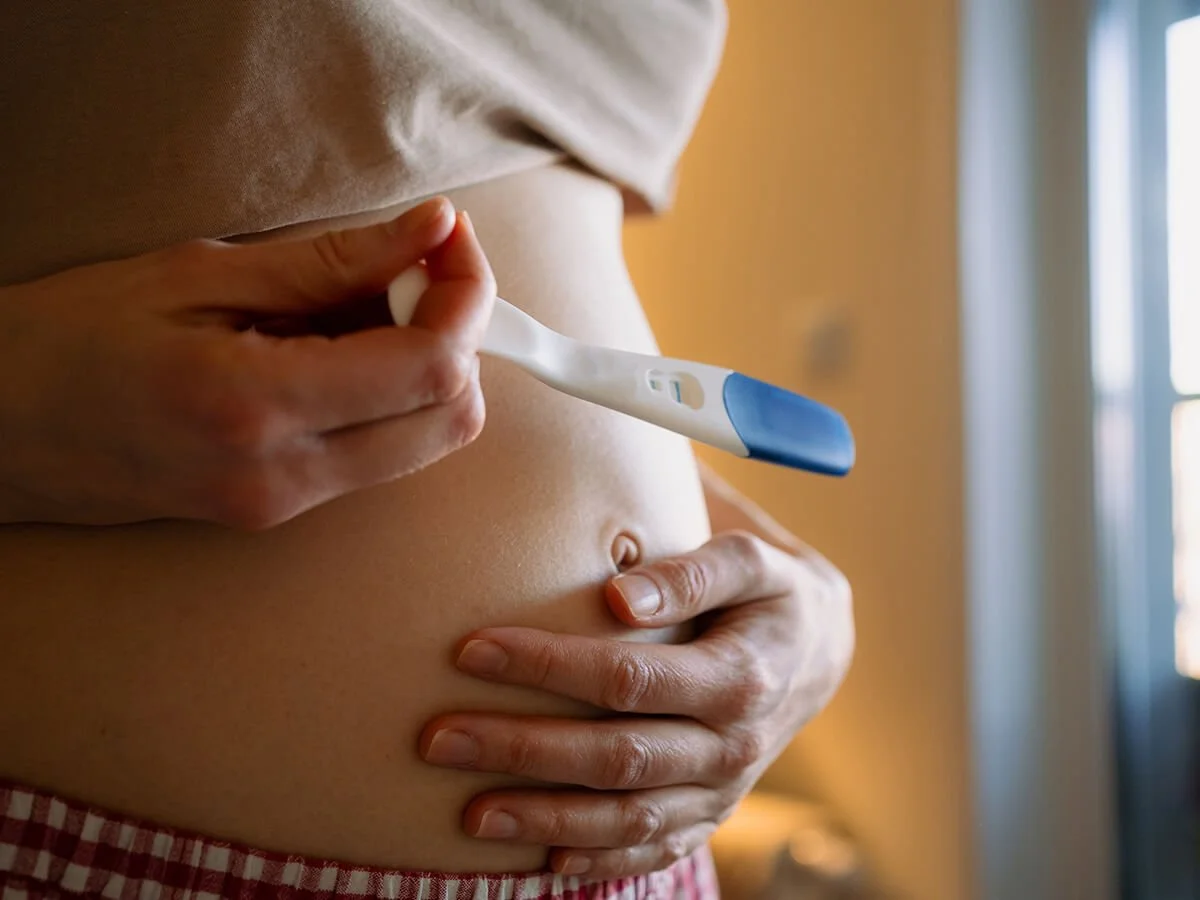
Natural strategies to support egg quality centre on optimizing the three-month maturation window before ovulation, during which developing follicles are most vulnerable to environmental influences.
Reduce Oxidative Stress: Free radicals damage cellular DNA and impair mitochondrial function within the oocyte. Consuming a diet rich in antioxidants, including vitamins C and E, coenzyme Q10, and polyphenols, neutralizes free radicals. This nutritional support helps preserve the genetic integrity of developing eggs throughout their dynamic maturation phase.
Optimize Ovarian Circulation: Adequate pelvic blood flow supplies essential oxygen, hormones, and nutrient compounds directly to the growing follicles. Regular moderate physical movement, targeted acupuncture therapy, and abdominal massage techniques effectively enhance local microcirculation, ensuring that developing eggs receive the physiological support required for normal cellular maturation.
Balance Key Endocrine Hormones: Disruptions in insulin, thyroid, and stress hormones interfere directly with normal follicular development. Maintaining stable blood glucose levels through balanced meals containing fibre, healthy fats, and lean proteins helps normalize ovarian signalling, preventing hormonal imbalances that compromise overall egg maturation and quality.
Prioritize Restorative Sleep: Deep sleep allows the body to release critical repair hormones and melatonin, a potent natural antioxidant present within follicular fluid. Maintaining a consistent sleep schedule of seven to eight hours nightly protects oocytes from cellular degradation caused by chronic physical fatigue and circadian disruptions.
Minimize Environmental Toxin Exposure: Endocrine-disrupting chemicals found in plastics, synthetic fragrances, and pesticides disrupt natural hormone synthesis and degrade egg health. Switching to glass food storage containers, organic produce, and natural personal care products reduces the toxic burden placed on the endocrine and reproductive systems.
Manage Chronic Systemic Inflammation: Persistent low-grade inflammation damages ovarian tissue and impairs follicle growth. Eating an anti-inflammatory diet high in omega-3 fatty acids, managing psychological stress, and eliminating processed sugars reduces inflammatory markers, creating a healthier biological environment for egg development.
How Does Traditional Chinese Medicine Explain Egg Quality?
Traditional Chinese Medicine views reproductive vitality through the conceptual framework of internal organ systems, vital energy flow, and blood distribution rather than isolated anatomical structures.
Nourish The Kidney Essence (Jing): Kidney Jing represents the foundational biological energy responsible for growth, reproduction, and longevity in Chinese medical theory. A decline in Jing directly mirrors age-related changes in egg quality, making Jing-nourishing strategies essential for restoring cellular vitality and supporting overall follicular health.
Harmonize Liver Qi Flow: The Liver system regulates the smooth movement of energy throughout the body, particularly across the pelvic cavity. Unresolved emotional stress causes Liver Qi stagnation, which restricts blood circulation to the ovaries and disrupts the delicate hormonal rhythm required for optimal egg maturation.
Strengthen Spleen Qi Production: In Chinese medicine, the Spleen governs digestion and transforms nutrients into vital energy and blood. Strong Spleen Qi ensures that the body produces adequate nutrients to feed developing ovarian follicles, directly supporting cellular energy stores and metabolic function inside the egg.
Invigorate Pelvic Blood Circulation: Healthy ovulation requires smooth, unimpeded blood movement through the reproductive organs. Stagnant blood in the lower abdomen deprives ovaries of oxygen, while active circulation therapies ensure that herbal nutrients and oxygen reach the developing oocyte during its final maturation stages.
Balance Yin And Yang Aspects: Optimal fertility relies on the balance between cool, nourishing Yin fluids and warm, active Yang energy. Yin provides the structural fluid foundation for the follicle, while Yang supplies the metabolic warmth needed for successful egg release and subsequent fertilization.
Clear Metabolic Dampness: The accumulation of internal dampness disrupts normal fluid dynamics, leading to conditions like ovarian cysts or sluggish follicular growth. Clearing dampness restores clear metabolic pathways, allowing nutrients to flow unimpeded into the ovarian microenvironment during every menstrual cycle.
5 Chinese Herbs Commonly Used for Reproductive Health
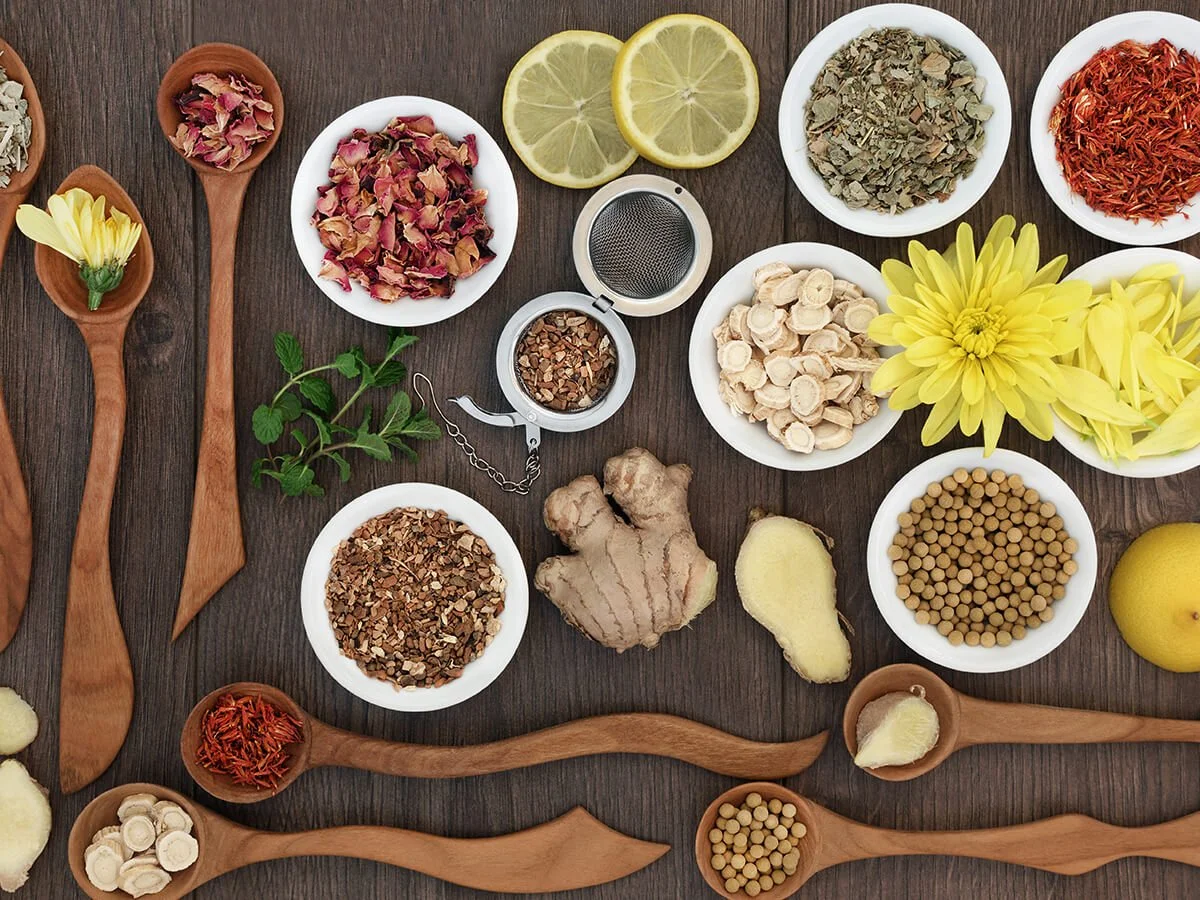
Herbal medicine uses specific botanical compounds to address functional imbalances, support ovarian blood flow, and provide antioxidants that protect developing oocytes from damage.
Ren Shen (Panax Ginseng): Ren Shen acts as a powerful adaptogen that invigorates primary vital energy and fortifies overall stamina. Rich in active ginsenosides, this root improves metabolic function, enhances cellular resilience against stress, and supports optimal ovarian tissue nutrition during the active stages of follicular development.
Shu Di Huang (Rehmannia Root): Shu Di Huang is a premier herb utilized to nourish Kidney Jing and build blood reserves. Its rich polysaccharide content supports the ovarian environment, helps regulate menstrual cycles, and provides structural nourishment required for healthy oocyte fluid development.
Bai Shao (White Peony): Bai Shao relaxes smooth muscle tissue, soothes the Liver system, and nourishes reproductive blood. By easing pelvic tension and improving local blood distribution, it helps maintain consistent oxygen delivery to the ovaries while balancing hormone regulation across the menstrual cycle.
Gou Qi Zi (Goji Berry): Gou Qi Zi provides concentrated antioxidants, including zeaxanthin and beta-carotene, that neutralize free radicals within ovarian tissue. This herb nourishes both Kidney Yin and Liver Blood, helping shield developing oocytes from oxidative stress during their critical maturation phase.
Dang Gui (Angelica Sinensis): Dang Gui is widely renowned for its dual ability to build blood and promote active pelvic circulation. Containing ferulic acid and essential polysaccharides, it supports healthy endometrial lining growth while enhancing microvascular flow straight to the maturing ovarian follicles.
Egg quality plays a foundational role in female fertility, influencing every stage of conception and early embryo development. While age and environmental stressors impact oocyte health, adopting targeted lifestyle habits and integrating Traditional Chinese Medicine offers a constructive path forward. Herbal remedies work systematically over the three-month follicular maturation cycle to enhance pelvic circulation, reduce oxidative damage, and restore internal organ balance. Applying these principles creates a supportive biological environment that encourages optimal reproductive outcomes.
Taking proactive steps toward reproductive health requires personalized care tailored to individual physiology. Total Wellness Centre, contact us at (416) 532-9094 to discuss comprehensive health strategies and explore how targeted Chinese herbal medicine can support your personal fertility journey.