What Should I Do to Prepare for Menopause? 7 Common Questions Answered (And How Acupuncture Can Help)
Menopause is a natural and inevitable biological milestone, yet it is often surrounded by mystery and apprehension. For many women, the transition into menopause—known as perimenopause—can bring a host of unpredictable physical, emotional, and mental changes. Rather than waiting for symptoms to disrupt your daily routine, taking a proactive approach can make a profound difference. By understanding what to expect and making targeted lifestyle adjustments, you can navigate this phase of life with confidence, vitality, and grace.
If you are entering your late 30s or 40s, you likely have questions about what is on the horizon. Below, we answer seven common questions about preparing for menopause and explore how holistic therapies, specifically acupuncture, can provide powerful, natural support.
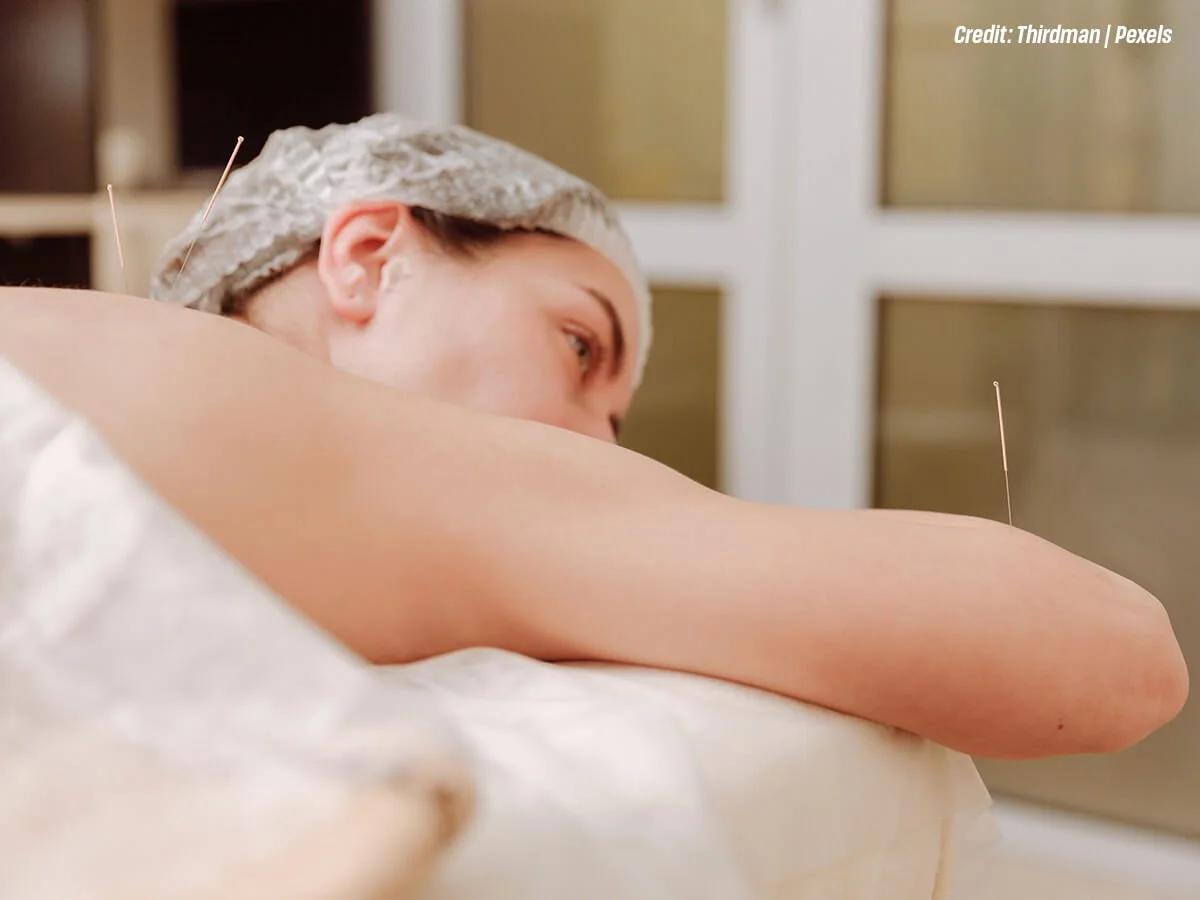
7 Common Questions About Preparing for Menopause
1. When does the transition to menopause typically start?
The journey to menopause does not happen overnight. The transitional phase, perimenopause, can begin up to a decade before your final menstrual period. While the average age of menopause for Canadian women is 51, perimenopause typically begins in a woman’s early to mid-40s. Some women may even notice subtle shifts in their late 30s. Being aware of this timeline allows you to recognize early symptoms rather than dismissing them as mere stress or fatigue.
2. What are the earliest signs I should watch out for?
One of the earliest and most common indicators of perimenopause is a change in your menstrual cycle. Periods may become shorter, longer, heavier, or lighter, and the time between cycles may fluctuate. Alongside irregular periods, you may begin to experience subtle shifts in your mood, unexpected weight gain (particularly around the midsection), and the onset of mild hot flashes or night sweats. Acknowledging these signs early on allows you to begin implementing supportive lifestyle changes immediately.
3. How will my sleep be affected, and what can I do?
Hormonal fluctuations, particularly the decline in estrogen and progesterone, can severely disrupt your sleep architecture. Progesterone has a natural sleep-inducing effect, so as it drops, you may find it harder to fall or stay asleep. Additionally, night sweats can wake you repeatedly, leading to chronic fatigue. To prepare, focus on optimizing your sleep hygiene now. Keep your bedroom cool, establish a calming pre-sleep routine, and limit screen time and alcohol intake before bed, as these can trigger both insomnia and night sweats.
4. Do I need to change my diet to prepare?
Yes, metabolic changes during perimenopause mean your body processes nutrients differently. The decline in estrogen affects bone density and cardiovascular health. To prepare, transition toward a nutrient-dense, anti-inflammatory diet. Focus on calcium-rich foods and ensure you are getting adequate Vitamin D to protect your bones. Incorporating phytoestrogens—plant-based compounds found in flaxseeds, soy, and legumes—can naturally mimic the effects of estrogen in the body and help buffer hormonal swings. Additionally, prioritizing lean proteins and healthy fats can help stabilize blood sugar and prevent menopause-related weight gain.
5. Should I alter my exercise routine?
Because muscle mass and bone density naturally decline as estrogen drops, your exercise routine needs to evolve. If your primary focus has always been cardiovascular exercise, now is the time to prioritize strength training and weight-bearing exercises. Lifting weights or using resistance bands at least twice a week helps preserve muscle mass, supports metabolic health, and strengthens bones to prevent osteoporosis. Balance and flexibility exercises, such as yoga or Pilates, are also highly recommended to maintain joint mobility and reduce injury risk as you age.
6. How does this phase affect mental health and stress?
The emotional landscape of perimenopause can be challenging. Estrogen plays a direct role in the production of serotonin, the "feel-good" neurotransmitter. When estrogen levels spike and crash, it can lead to mood swings, heightened anxiety, irritability, and "brain fog." Preparing for menopause means prioritizing stress management before you feel overwhelmed. Practices like mindfulness meditation, deep breathing exercises, and setting healthy boundaries to protect your energy are essential tools to have in your wellness arsenal.
7. Are there natural or holistic ways to manage the symptoms?
Absolutely. While Hormone Replacement Therapy (HRT) is a viable option for some, many women seek out natural and holistic approaches to manage their symptoms and restore systemic balance. Lifestyle modifications, dietary supplements (such as magnesium and omega-3 fatty acids), and Traditional Chinese Medicine (TCM) are highly effective at addressing the root cause of hormonal imbalances without the side effects associated with pharmaceutical interventions.
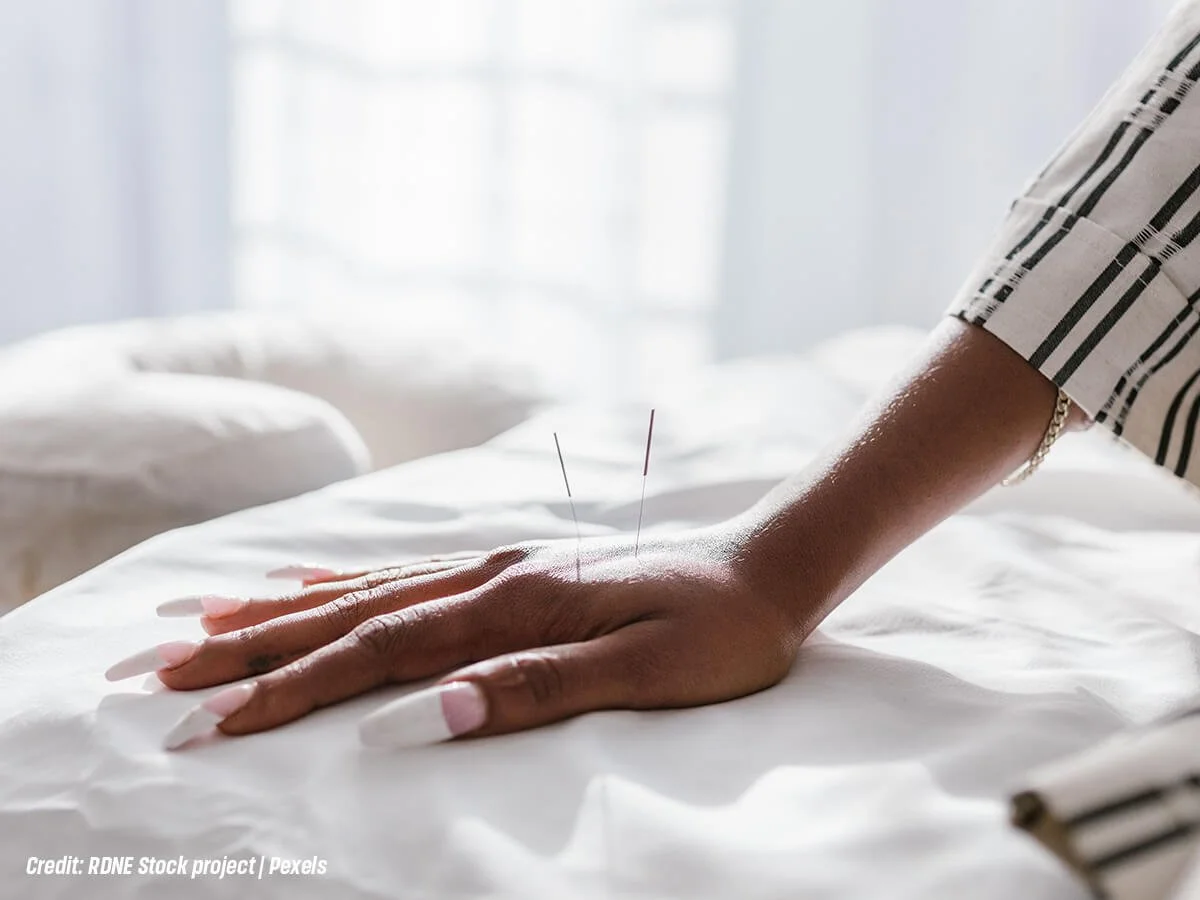
How Acupuncture Can Help Prepare for and Manage Menopause
Traditional Chinese Medicine (TCM), particularly acupuncture, has been used for thousands of years to support women's health through all stages of life. From a TCM perspective, menopause is not a disease, but a natural shifting of the body’s essential energies—specifically a decline in "Yin" energy, which represents the body's cooling, calming, and restorative fluids. When Yin declines, "Yang" (heat and activity) becomes relatively excessive, resulting in symptoms like hot flashes, night sweats, and anxiety.
Acupuncture works by strategically inserting ultra-fine, sterile needles into specific points on the body to stimulate the central nervous system and restore energetic balance. Here is how it can help you prepare for and manage menopause:
Regulating Hormones Naturally: Acupuncture helps stimulate the endocrine system, promoting a more gradual and balanced decline in hormone levels, which smooths out the severe peaks and valleys of perimenopause.
Reducing Hot Flashes and Night Sweats: Numerous clinical studies have shown that acupuncture can significantly reduce both the frequency and severity of vasomotor symptoms (hot flashes and night sweats) by helping to clear "excess heat" from the body.
Improving Sleep Quality: By calming the nervous system and increasing the release of melatonin and endorphins, acupuncture can combat insomnia and promote deep, restorative sleep.
Easing Stress and Anxiety: Regular acupuncture sessions help lower cortisol (the stress hormone) levels, making it easier to navigate the mood swings and emotional turbulence associated with hormonal changes.
Preparing for menopause is about equipping your body and mind with the right tools. Incorporating acupuncture into your routine early in your perimenopausal journey can help you build a foundation of balance, resilience, and well-being.
Support Your Body Naturally
You don’t have to navigate the transition into menopause alone or simply endure the symptoms. Our experienced practitioners are here to create a customized holistic treatment plan tailored to your unique needs.
Contact Total Wellness Centre at 416-532-9094 to book your consultation and discover how acupuncture at our Toronto clinic can help you thrive during this new chapter of life.