PMOS and Gut Health: How Can TCM Provide Relief?
Polyendocrine Metabolic Ovarian Syndrome (PMOS) is a complex endocrine disorder that affects a significant percentage of women of reproductive age. Traditionally, Western medical paradigms have viewed PMOS primarily through the lens of hormonal imbalance and insulin resistance.
However, emerging research has increasingly highlighted the profound impact of the gastrointestinal system on metabolic and reproductive health. The gut microbiome is now recognized as a critical factor in the development and exacerbation of PMOS.
For those seeking to manage this multifaceted condition, integrating holistic paradigms like Traditional Chinese Medicine (TCM) offers a comprehensive approach. By focusing on the interconnectedness of the body’s systems, TCM addresses both the root causes and the outward manifestations of the disorder.
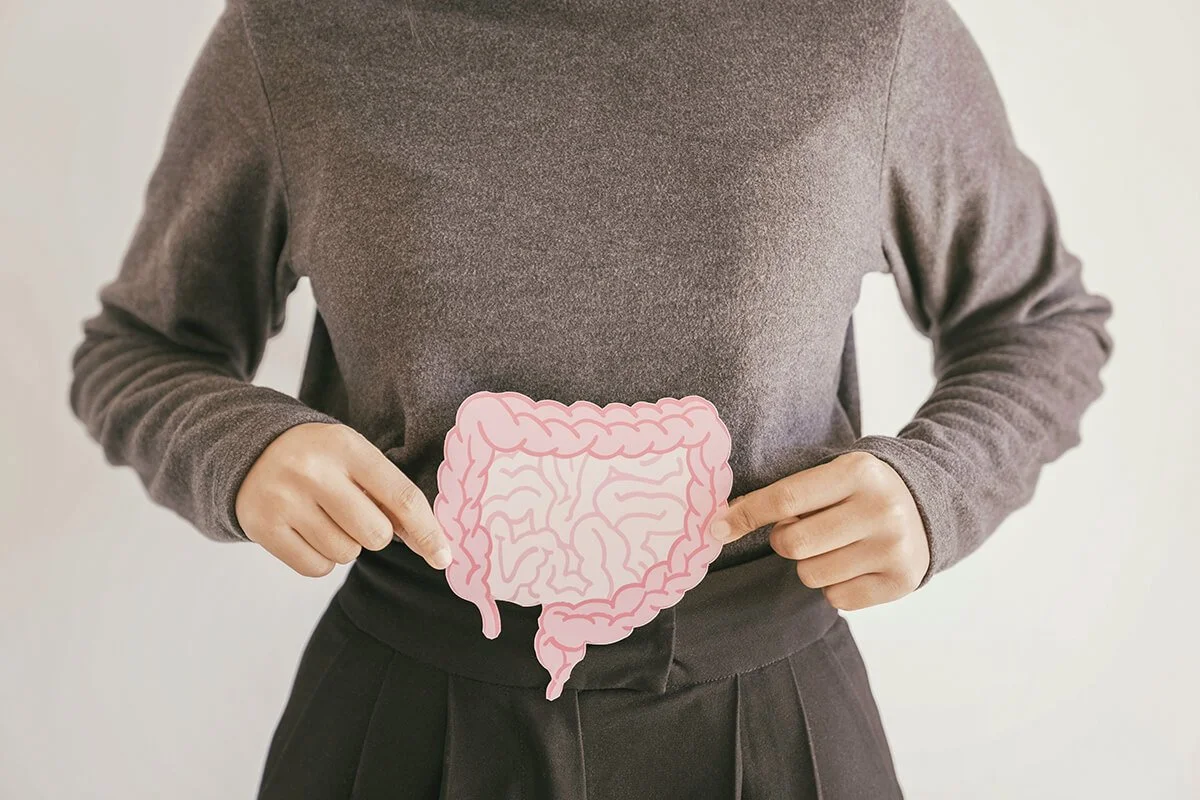
The Intricate Link Between PMOS and the Gut Microbiome
The human gastrointestinal tract harbours trillions of microorganisms that play vital roles in digestion, immune function, and the synthesis of essential nutrients. When the delicate balance of this microbiome is disrupted—a condition known as dysbiosis—it can have systemic physiological consequences.
In individuals with PMOS, gut dysbiosis is frequently observed. This imbalance often presents as a reduction in microbial diversity and a decrease in beneficial bacteria, alongside an overgrowth of pathogenic strains. This shift in the microbial landscape contributes to the pathology of PMOS through several intersecting mechanisms:
1. Increased Intestinal Permeability ("Leaky Gut")
Dysbiosis can compromise the integrity of the intestinal mucosal barrier. When the tight junctions between intestinal cells weaken, endotoxins such as lipopolysaccharides (LPS) can leak from the gut lumen into the systemic circulation.
2. Systemic Inflammation
The presence of LPS in the bloodstream triggers an immune response, leading to chronic, low-grade systemic inflammation. This inflammatory state is a hallmark of PMOS and profoundly affects metabolic function.
3. Insulin Resistance
Chronic inflammation directly impairs insulin receptor signalling. As insulin resistance worsens, the pancreas produces more insulin to compensate.
4. Hyperandrogenism
Elevated insulin levels stimulate the ovaries to produce excess androgens (male hormones like testosterone). This hyperandrogenemia is responsible for many of the classic PMOS symptoms, including hirsutism, acne, and ovulatory dysfunction.
Understanding this gut-brain-ovary axis makes it clear that addressing gastrointestinal health is not merely a supportive measure but a primary target for managing PMOS effectively.
PMOS and Gut Health Through the Lens of TCM
While Western medicine uses terms like "microbiome" and "dysbiosis," Traditional Chinese Medicine has recognized the central importance of digestive health for thousands of years. In TCM theory, the digestive system is governed primarily by the Spleen and Stomach organ systems.
The Spleen in TCM is responsible for the "transformation and transportation" of nutrients and fluids. When the Spleen functions optimally, food is efficiently converted into Qi (energy) and Blood, which nourish the entire body, including the reproductive organs. However, when Spleen Qi is deficient—often due to poor dietary habits, chronic stress, or overwork—its ability to process fluids is impaired.
This impairment leads to the accumulation of pathological byproducts known in TCM as "Dampness" and "Phlegm."
Dampness and Phlegm:
In the context of PMOS, Dampness and Phlegm can manifest as obesity, insulin resistance, and the formation of ovarian cysts. The sluggishness of Dampness mirrors the metabolic stagnation seen in the condition.
Kidney Deficiency
TCM also attributes reproductive health to the Kidney organ system, which stores "Jing" (essence) and governs fertility and hormonal cycles. PMOS is often viewed as a complex combination of Kidney deficiency (underlying hormonal imbalance) complicated by Spleen deficiency and Phlegm-Dampness (gut dysfunction and metabolic impairment).
By harmonizing the Spleen, clearing Dampness, and supporting the Kidneys, TCM directly addresses the physiological imbalances that Western medicine identifies as gut dysbiosis and endocrine dysfunction.
How TCM Modalities Benefit Gut Health and PMOS
TCM employs a multi-faceted approach to restore internal harmony. Rather than masking symptoms, the goal is to rehabilitate the body's functional systems so they can regulate themselves naturally.
Acupuncture for Gut Motility and Inflammation
Acupuncture involves the insertion of fine, sterile needles into specific anatomical points to modulate physiological function. Research indicates that acupuncture can significantly influence gastrointestinal motility and reduce systemic inflammation. By stimulating specific points (such as Stomach 36 or Spleen 6), acupuncture can activate the parasympathetic nervous system—specifically the vagus nerve.
This "rest and digest" activation helps to soothe gastrointestinal inflammation, improve the integrity of the gut lining, and regulate the nervous system's response to stress. Furthermore, acupuncture has been shown to improve blood flow to the pelvic region, supporting ovarian function and regulating menstrual cycles.
Chinese Herbal Medicine for Microbiome Restoration
Herbal therapy is a cornerstone of TCM. Formulations are customized to the individual's specific pattern of disharmony. For a patient exhibiting Spleen deficiency with Dampness, an herbalist might prescribe a formula designed to strengthen digestive capacity and drain excess fluids.
Many traditional Chinese herbs possess prebiotic properties, providing substrates that promote the growth of beneficial gut bacteria. Additionally, certain herbs have well-documented anti-inflammatory and insulin-sensitizing effects. When seeking this modality, it is important to work with a qualified practitioner. If you are looking for TCM in Toronto, ensure you consult with registered professionals who can safely formulate herbs alongside any current conventional treatments.
Dietary Therapy and Lifestyle Modifications
In TCM, food is considered a primary form of medicine. To support the Spleen and optimize gut health, TCM dietary therapy emphasizes warm, cooked, and easily digestible foods. Raw, cold, and heavily processed foods are generally discouraged, as they require excessive energy to digest and contribute to the formation of internal Dampness.
Incorporating foods like ginger, cooked root vegetables, and bone broths can warm the digestive fire, supporting the microbiome and reducing the metabolic burden on the body. This approach naturally aligns with Western recommendations to consume whole foods and reduce refined sugars to manage insulin resistance.
How to Integrate TCM Into Your Care Plan
Integrating TCM with conventional care allows patients to address the structural, chemical, and energetic aspects of the disorder. For those navigating complex reproductive challenges related to PMOS, collaborating with an integrative fertility doctor in Toronto can provide a structured, evidence-informed pathway to achieving your health and family planning goals.
By fostering a healthy gut microbiome, reducing systemic inflammation, and supporting the body's natural endocrine rhythms, TCM offers a robust framework for managing PMOS. Healing the gut is often the first step in restoring the delicate hormonal balance required for overall well-being.
If you are struggling with the systemic effects of this condition and want to explore integrative, patient-centred approaches to your reproductive and digestive health, professional guidance is available.
Contact the Total Wellness Centre at 416-532-9094 to schedule a consultation and begin your path toward balanced health today.