7 Everyday Habits That Lower Sperm Motility (and How to Fix Them)
Key Takeaways
Normal sperm movement is required for conception, yet everyday physical stressors and chemical exposures routinely impair forward motion.
According to Fertility Matters Canada, male factor challenges contribute to roughly 50% of all fertility difficulties among couples.
Elevated scrotal temperatures from hot baths, tight athletic clothing, and resting portable computers directly on the lap suppress normal sperm production.
Heavy alcohol intake, tobacco use, and nutrient-depleted diets cause cellular oxidation that harms cellular membranes and decreases swimming capacity.
Clinical interventions using Traditional Chinese Medicine for male factor subfertility, such as targeted acupuncture and herbal formulas, support reproductive blood circulation and cellular vitality.
Healthy sperm movement is necessary for natural conception and reproductive success. Millions of men face subfertility issues tied directly to reversible lifestyle factors and daily environmental exposures.
Sperm cells require specific physiological conditions to develop, mature, and swim effectively through the female reproductive system. Simple modifications to daily routines can help restore healthy sperm function and improve overall reproductive outcomes over time.
What Is Sperm Motility and Why Does It Matter?
Sperm motility describes the ability of sperm cells to move efficiently through liquid environments. In semen analysis laboratories, technicians evaluate both the percentage of moving cells and the quality of their movement across a glass slide.
Progressive Movement Defined: Progressive sperm motility refers to cells moving straight ahead or in large circles. These specific swimmers possess the physical force needed to traverse the cervix and reach the unfertilized egg. Non-progressive cells merely twitch in place or move in tight, non-productive circles.
The Clinical Thresholds: Medical diagnostic standards set by the World Health Organization establish that at least 42% of sperm should move, with a minimum of 30% demonstrating progressive forward movement. Falling below these baseline laboratory numbers indicates asthenozoospermia, a primary cause of male reproductive delay.
Overcoming Biological Barriers: An ejaculated sperm cell must navigate cervical mucus, enter the uterus, and ascend the fallopian tube against fluid currents. Weak motility prevents cells from completing this anatomical journey, reducing the statistical likelihood of fertilization during the female fertile window.
Protecting Genetic Material: The same biochemical disturbances that weaken tail movement often indicate deeper internal damage. When physical motility drops due to oxidative stress, structural DNA within the sperm head frequently exhibits fragmentation, which is associated with lower clinical pregnancy rates.
Prevalence in Canadian Couples: Research published by the World Health Organization indicates that roughly 1 in 6 people experiences infertility in their lifetime. Male factors represent approximately half of these diagnosed cases, making individual semen parameters central to clinical investigations.
7 Everyday Habits That Lower Sperm Motility and How to Fix It
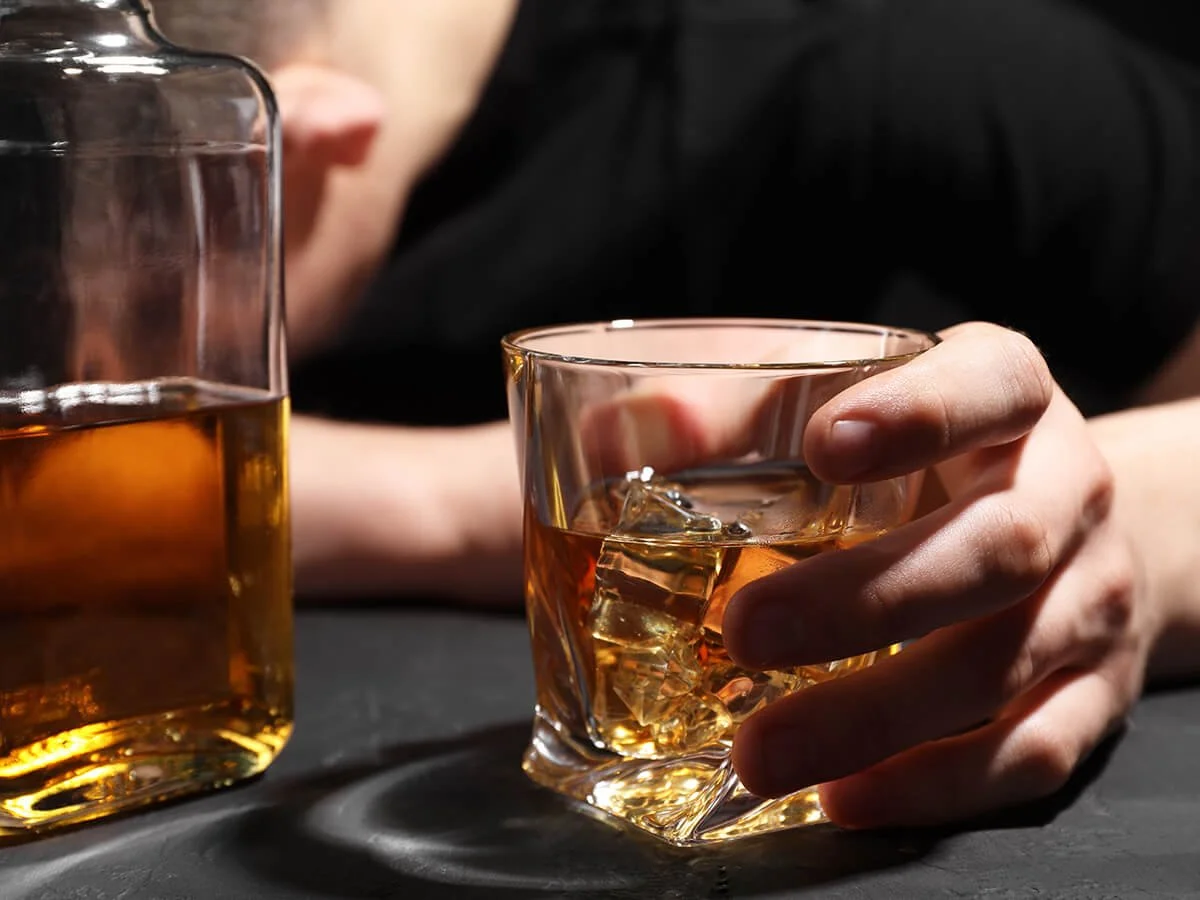
Daily routines shape cell metabolism. Developing sperm cells remain vulnerable to thermal stress, toxic compounds, and physical pressure during their multi-week development phase.
Resting Laptops Directly on the Lap: Placing running electronic devices on the groin increases scrotal heat through processor heat dissipation and radiofrequency radiation. Fix this habit by working at a standard desk or placing laptops on solid tables away from direct contact with pelvic anatomy.
Wearing Constrictive Synthetic Underwear: Tight synthetic fabrics hold the testes tightly against the abdomen, raising scrotal temperature above the ideal range. Fix this problem by switching to loose, breathable cotton boxers that permit natural heat dissipation and maintain proper scrotal thermoregulation.
Frequent Hot Tub and Sauna Sessions: Submerging the pelvic region in hot water causes temporary suppression of spermatogenesis and impairs cellular motility. Fix this issue by avoiding saunas, steam rooms, and heated baths for at least three continuous months when planning a conception attempt.
Excessive Alcohol Consumption: Drinking excessive alcohol disrupts testosterone synthesis and alters the enzymatic pathways governing sperm tail movement. Fix this habit by limiting alcohol intake to moderate thresholds or abstaining entirely during the three-month reproductive development window.
Sedentary Desk Routines: Sitting stationary for prolonged periods causes venous pooling and temperature elevation in the scrotum while lowering systemic circulation. Fix this routine by standing at intervals during the workday, taking brief walks every hour, and completing moderate aerobic exercise weekly.
Consuming Diets High in Ultra-Processed Foods: Diets full of saturated fats and refined sugars trigger systemic inflammation, which harms cellular lipid membranes. Fix your diet by eating whole foods rich in antioxidants, including leafy greens, wild fish, walnuts, and fresh berries to support cellular function.
Chronic Sleep Deprivation: Inadequate sleep disrupts circadian hormone release, blunting normal testosterone production and impairing sperm maturation. Fix sleep deficits by maintaining a consistent eight-hour sleep schedule, limiting bedroom screen exposure before bed, and sleeping in a cool, dark room.
How Can Traditional Chinese Medicine Help
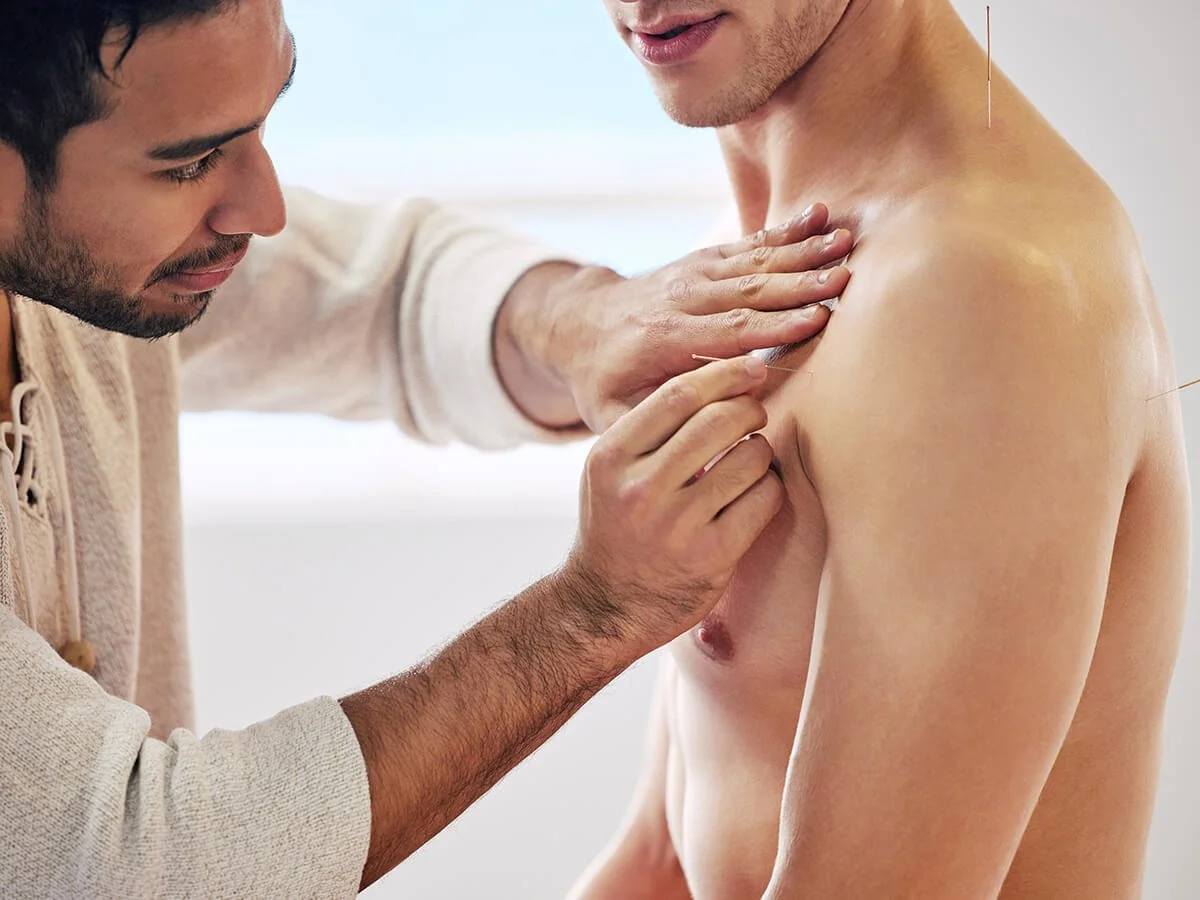
Acupuncture for male fertility and Traditional Chinese Medicine offer practical clinical protocols to support healthy reproductive parameters alongside standard medical care.
Improving Testicular Blood Circulation: Acupuncture treatments targeting specific lower abdominal and sacral points stimulate regional microcirculation. Enhanced pelvic blood flow delivers essential nutrients to developing germ cells while assisting the natural clearance of local cellular waste products and inflammatory markers.
Reducing Systemic Oxidative Stress: Specific botanical formulas used in Chinese medicine contain natural antioxidant compounds that help protect sperm cell membranes from lipid peroxidation. Preserving these delicate outer membranes helps maintain the whip-like tail motion needed for swift forward swimming.
Balancing Endocrine Function: Regular acupuncture sessions help modulate the hypothalamic-pituitary-gonadal axis, supporting normal hormone production and lowering circulating cortisol. Lower stress hormone levels support testicular Leydig cell activity and maintain the physiological conditions required for spermatogenesis.
Customized Herbal Formulations: Chinese herbal medicine relies on diagnostic patterns such as Kidney Yang deficiency, Qi stagnation, or Damp-Heat accumulation to tailor herbal prescriptions. Tailored preparations help address individual constitutional imbalances that standard multi-ingredient nutritional supplements might overlook.
Lifestyle habits directly influence sperm parameters. Because human spermatogenesis requires approximately 72 days from initial germ cell division to full maturation, modifying daily physical routines produces observable improvements in subsequent semen analysis tests. Reducing thermal exposure, eliminating excess alcohol, improving daily nutrition, and managing biological stress create the physiological foundation necessary for optimal cell motility and reproductive health.
Addressing subfertility requires a comprehensive plan that evaluates both partners and combines lifestyle adjustments with appropriate clinical therapies. For individuals seeking integrative support, Total Wellness Centre provides evidence-informed clinical therapies, acupuncture protocols, and personalized care plans. Total Wellness Centre, contact us at (416) 532-9094 to book an appointment or speak with our clinical team.