How TCM Can Alleviate Symptoms of Menopause
Menopause is a natural, inevitable biological transition marking the end of a woman’s reproductive years. However, while the transition is entirely natural, the symptoms accompanying it can feel anything but easy. From sudden hot flashes and night sweats to mood swings, insomnia, and stubborn fatigue, the physical and emotional shifts can drastically disrupt daily life. While Western medicine often prescribes Hormone Replacement Therapy (HRT) to manage these changes, many women seek natural, holistic alternatives that do not carry the same side effects or risks.
This is where Traditional Chinese Medicine (TCM) shines. For thousands of years, TCM has provided a comprehensive framework for understanding and treating the body's shifting energies. By focusing on restoring balance rather than simply suppressing symptoms, TCM offers a highly effective, personalized approach to alleviating the symptoms of menopause and helping women navigate this new chapter with grace and vitality.

Understanding Menopause from a TCM Perspective
In TCM, menopause is not viewed as a disease, a hormonal failure, or a condition to be "cured." Instead, it is seen as a natural, profound shift in the body’s vital energies—a transition beautifully referred to as a "Second Spring."
The core philosophy of TCM revolves around the balance of Yin (cooling, moistening, grounding energy) and Yang (warming, active, moving energy), as well as the flow of Qi (your vital life force). As we age, our foundational energy, known as Jing or "essence" (which is stored in the Kidneys), naturally begins to decline.
The Kidneys are considered the root of life, growth, and reproduction in TCM. Menopause is primarily seen as a natural decline in Kidney essence, which often leads to an imbalance between Kidney Yin and Kidney Yang. When Kidney Yin declines, the body loses its innate cooling and moistening properties. This allows Yang (heat) to rise unchecked, leading to the classic symptoms of "empty heat"—hot flashes, night sweats, vaginal dryness, and irritability.
Conversely, if Kidney Yang is deficient, the body's internal fire dims. A woman with a Yang deficiency might experience profound fatigue, a sluggish metabolism, cold extremities, water retention, and weight gain. Because TCM treats the individual rather than a generalized condition, practitioners look closely for these specific patterns of imbalance to tailor a highly individualized treatment plan.
Common Menopausal Symptoms Addressed by TCM
By identifying the root cause of your specific discomforts, TCM offers targeted relief for the most common menopausal complaints.
Hot Flashes and Night Sweats
In Western terms, these are vasomotor symptoms caused by wildly fluctuating estrogen levels. In TCM, these are classic signs of Yin deficiency. Without enough Yin fluid to cool the body, "deficiency heat" flares upward. TCM addresses this by using acupuncture points and cooling herbal formulas that nourish the Yin, clear the false heat, and anchor the body's energy. This approach effectively helps to turn down your internal thermostat naturally.
Insomnia and Sleep Disturbances
Quality sleep is crucial during menopause, but shifting hormones can make rest elusive. TCM often connects sleep issues to an imbalance between the Heart and the Kidneys. If Kidney Yin is weak, its cooling energy fails to rise and temper the Heart's fire. This leads to an overactive mind, vivid dreams, palpitations, and frequent night-time waking. Treatments focus on calming the Shen (the mind or spirit), nourishing Heart Yin, and grounding the nervous system to restore deep, restorative sleep cycles.
Mood Swings, Anxiety, and Irritability
The Liver organ system in TCM is responsible for the smooth, unimpeded flow of Qi and emotions throughout the body. The physical and emotional stress of the menopausal transition can easily cause Liver Qi to stagnate. This stagnation results in mood swings, flashes of anger, irritability, and sometimes a feeling of a "lump in the throat." Acupuncture is highly effective at moving stagnant Liver Qi, promoting emotional resilience, and triggering the release of endorphins to stabilize mood and reduce anxiety.
Fatigue and Brain Fog
If a woman experiences heavy exhaustion, poor digestion, and difficulty concentrating, a TCM practitioner will often look at the health of the Spleen and Kidney Yang. The Spleen is responsible for transforming the food we eat into usable energy (Qi) and blood. Strengthening the Spleen and warming Kidney Yang can significantly boost daily energy levels, clear mental fog, improve metabolic function, and alleviate the heavy, sluggish feeling that often accompanies menopause.
Key TCM Modalities for Menopause Relief
TCM is not a single treatment but a comprehensive medical system. A typical, effective treatment plan for menopause will utilize a combination of the following modalities to achieve optimal results.
Acupuncture
The gentle insertion of ultra-fine, sterile needles into specific acupoints helps to regulate the flow of Qi, balance the autonomic nervous system, and stimulate the body's natural healing mechanisms. Clinical studies have increasingly shown that acupuncture can significantly reduce both the frequency and severity of hot flashes while improving sleep quality in menopausal women. It is a deeply relaxing therapy that helps shift the body out of a state of stress ("fight or flight") and into a state of healing ("rest and digest").
Chinese Herbal Medicine
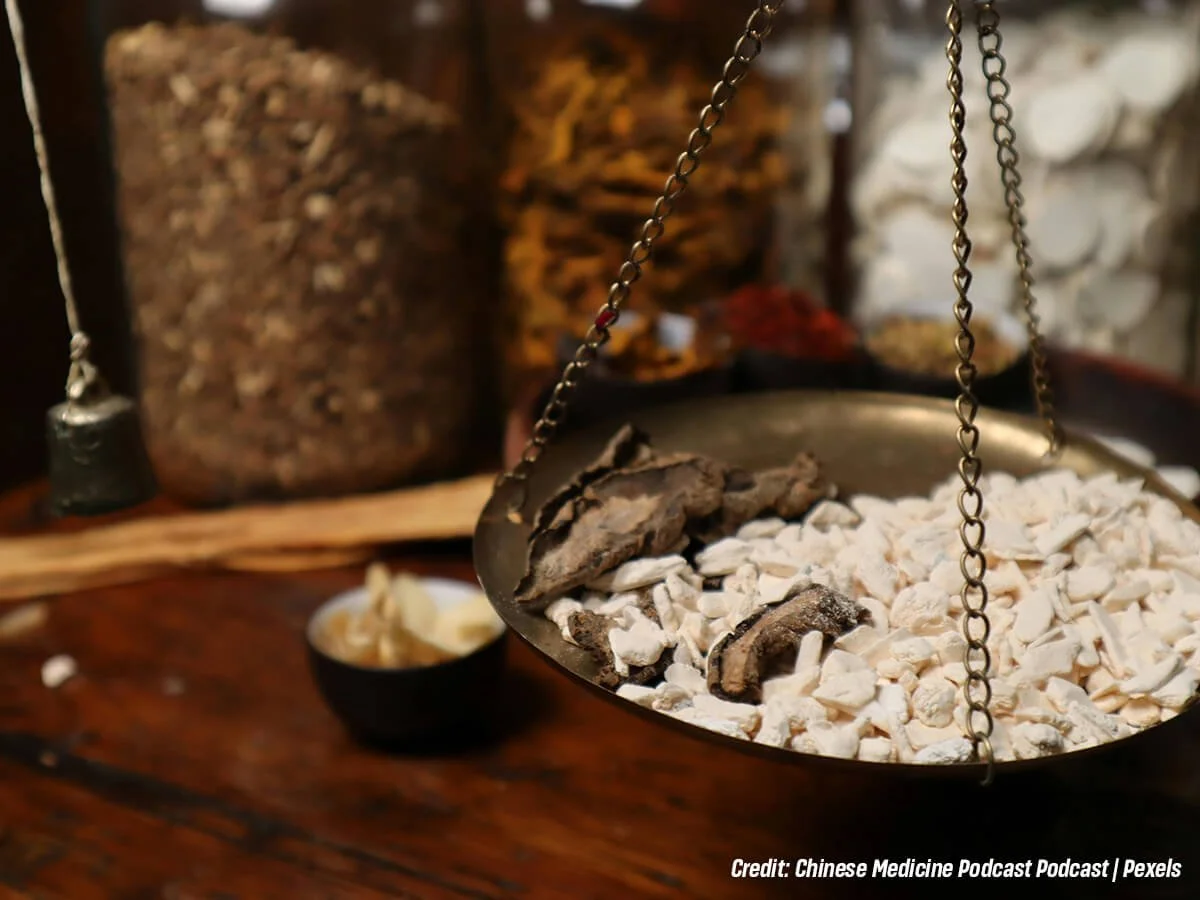
While acupuncture shifts and regulates the body's energy, herbal medicine provides the physical building blocks needed to nourish depleted reserves. Herbal formulas are custom-blended for each patient's unique constitution. For example, a famous traditional formula called Zhi Bai Di Huang Wan is frequently used to deeply nourish Kidney Yin and clear heat for women suffering from severe night sweats. Herbs offer a powerful, plant-based way to modulate the endocrine system and ease symptoms without the risks associated with synthetic hormones.
Dietary Therapy
In TCM, food is considered medicine. A practitioner will often recommend dietary adjustments based on a woman's specific pattern of disharmony. Women experiencing hot flashes (Yin deficiency) might be advised to incorporate cooling, hydrating foods into their diet—such as cucumber, watermelon, dark leafy greens, and tofu—while strictly avoiding spicy foods, excess caffeine, and alcohol, all of which generate internal heat and trigger flashes.
Lifestyle and Movement
Mind-body practices like Tai Chi and Qi Gong combine gentle physical movement, deep diaphragmatic breathing, and meditation. These practices are excellent for menopausal women as they help to circulate Qi, reduce the stress hormone cortisol, improve balance, and maintain both bone density and joint flexibility during the aging process.
Embracing Your Second Spring
Menopause does not have to be a period of suffering that you merely endure. It is a natural life transition, and your body possesses the innate wisdom to navigate it smoothly when provided with the right support. By addressing the root cause of hormonal imbalances rather than just temporarily masking the symptoms, Traditional Chinese Medicine offers a profound, side-effect-free path to relief.
Whether you are dealing with disruptive hot flashes, exhausting insomnia, or emotional turbulence, TCM provides the necessary tools to restore harmony to your body and mind, helping you embrace your "Second Spring" with renewed energy, comfort, and peace.
If you are ready to find natural, holistic relief from menopausal symptoms and reclaim your well-being, we are here to help. Contact Total Wellness Centre for Traditional Chinese Medicine in Toronto at 416-532-9094 to schedule your consultation and begin your personalized treatment plan today.