Endometriosis and Fertility: How TCM Can Help Relieve Pain and Boost Fertility
Endometriosis is a condition defined by chronic pain, fatigue, and frequently, a struggle with infertility. While Western medicine offers treatments primarily focused on symptom management—often involving hormonal birth control or surgery—many women find themselves searching for a more holistic path. They seek a solution that not only suppresses the symptoms but addresses the root imbalance within the body, especially when trying to conceive.
Traditional Chinese Medicine (TCM) offers a time-tested, integrative framework for understanding and treating endometriosis. By viewing the body as an interconnected system of energy and blood flow, TCM provides powerful tools to alleviate pain, reduce inflammation, and restore the fertile potential of the reproductive system.
Understanding the Challenge: What is Endometriosis?
To understand how TCM helps, we must first look at what happens physiologically during endometriosis. In a healthy cycle, the endometrium (the lining of the uterus) thickens and then sheds during menstruation. In women with endometriosis, tissue similar to this lining grows outside the uterus—on the ovaries, fallopian tubes, and pelvic lining.
Acting just like the uterine lining, this tissue thickens and bleeds in response to hormonal shifts. Unlike menstrual blood, however, this fluid is trapped internally with no outlet to escape the body. This leads to:
Chronic Inflammation: The trapped tissue irritates surrounding organs.
Scar Tissue and Adhesions: Over time, bands of fibrous tissue can develop, which causes the pelvic organs to stick together.
Pain: Severe dysmenorrhea (period pain), pelvic pain, and pain during intercourse.
Infertility: The inflammation and structural changes can damage sperm and eggs or obstruct the fallopian tubes.
For women trying to conceive, the standard Western solution often involves laparoscopic surgery to remove the tissue or Assistive Reproductive Technologies (ART) like IVF. While these are vital tools, TCM can serve as an essential partner in this journey, optimizing the body's internal environment before, during, and after medical interventions.
How TCM Alleviates Endometriosis Pain
Pain relief is often the immediate priority for patients. Unlike painkillers, which mask the pain signals, TCM therapies aim to resolve the physical obstruction causing the pain.
Acupuncture for Pain Management
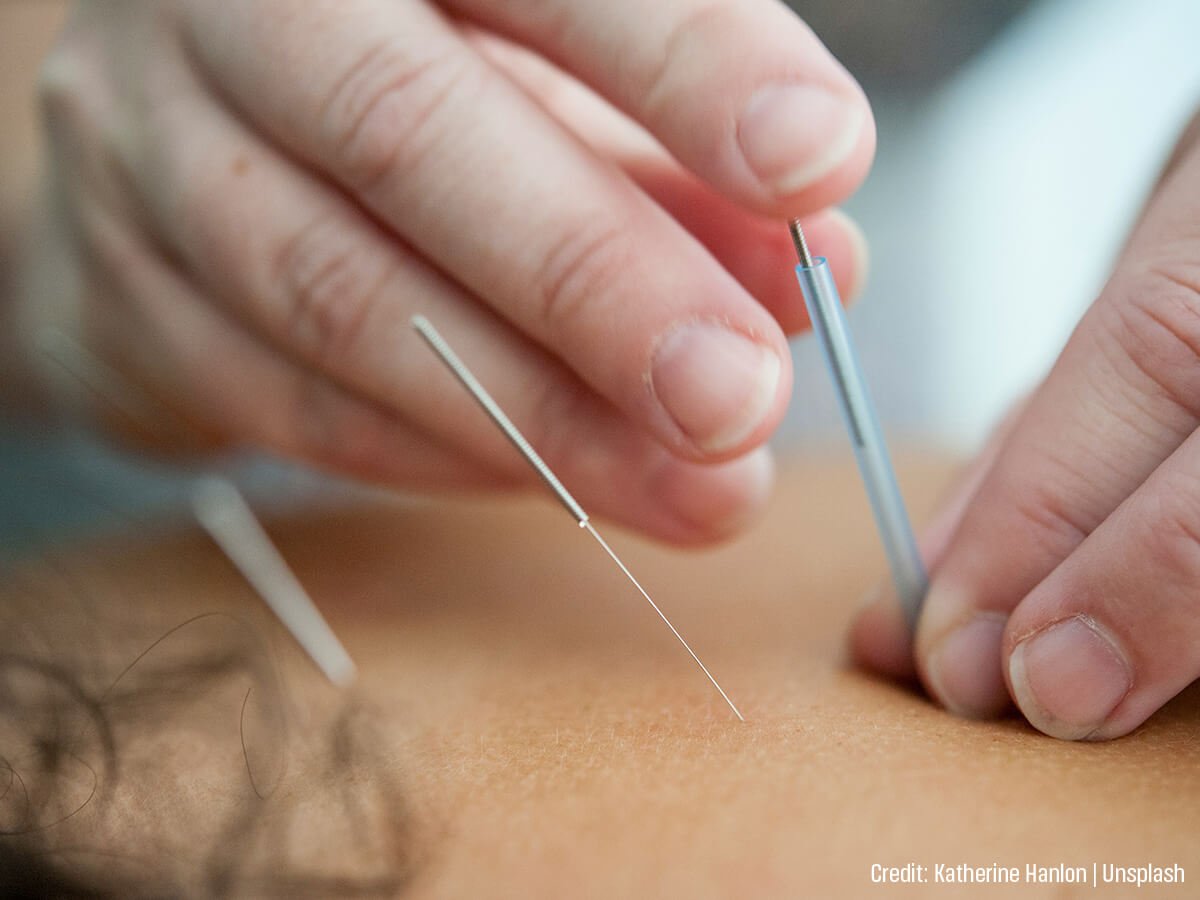
Acupuncture is perhaps the most well-known TCM modality. By inserting ultra-fine needles into specific points along the body's meridians, acupuncturists can trigger the release of endorphins (the body’s natural painkillers) and serotonin.
More importantly for endometriosis, acupuncture improves blood flow to the pelvic cavity. By dilating the blood vessels, it flushes out inflammatory cytokines (the chemicals causing pain) and brings fresh, oxygenated blood to the reproductive organs. This helps to soften masses, break down adhesions, and reduce the severity of menstrual cramps.
Herbal Medicine
Chinese herbal medicine allows for daily, internal treatment. Formulas are customized to the individual’s specific pattern. Common herbs used for endometriosis include:
Corydalis (Yan Hu Suo): Known for its strong analgesic (pain-relieving) properties.
Peach Kernel (Tao Ren) & Safflower (Hong Hua): Potent herbs used to invigorate blood circulation and break up stasis.
Cinnamon Twig (Gui Zhi): Used to warm the channels and improve circulation, particularly useful for "Cold Uterus" patterns.
Boosting Fertility: The Holistic Approach
While pain relief is crucial, for many women, the ultimate goal is pregnancy. Endometriosis makes conception difficult by creating a toxic, inflammatory environment that is hostile to eggs and sperm. TCM boosts fertility by transforming this environment into one that welcomes life.
1. Improving Egg Quality
Inflammation causes oxidative stress, which can damage the DNA of developing eggs. By reducing systemic inflammation through acupuncture and antioxidant-rich herbal formulas, TCM helps protect the ovarian reserve. This is particularly important for women undergoing IVF, as higher egg quality can lead to better embryo development.
2. Regulating the Immunological Response
Endometriosis is widely considered to have an autoimmune component. The immune system attacks the misplaced tissue, creating a constant state of battle in the pelvis. This overactive immune response can sometimes prevent implantation, as the body may mistake an embryo for a foreign invader. TCM treatments aim to modulate the immune system, calming the inflammatory response to support successful implantation.
3. Clearing the Fallopian Tubes
While TCM cannot remove severe scar tissue (which requires surgery), it is effective at treating functional blockages caused by mucus, fluid, or spasms. By moving Qi and Blood, acupuncture helps relax the smooth muscle of the tubes and uterus, aiding in the transport of the egg.
4. "Warming the Womb"
A common TCM diagnosis in endometriosis patients is a "Cold Uterus." Just as seeds cannot grow in frozen soil, an embryo struggles to implant in a uterus that lacks proper circulation and warmth. Treatments often involve Moxibustion, a therapy that involves burning the herb mugwort near the skin to send deep, penetrating heat into the lower abdomen. This warms the uterus, invigorates circulation, and prepares a lush, receptive lining for the embryo.
The Role of Diet and Lifestyle
TCM is not just a treatment; it is a lifestyle. Practitioners emphasize that what you eat directly impacts the flow of Blood and Qi.
The Endometriosis Diet
From a TCM perspective, patients with endometriosis should avoid foods that create "Dampness" and "Cold," which thicken the blood and slow circulation.
Avoid: Dairy, excess sugar, cold/raw foods (like salads and smoothies), and icy drinks.
Embrace: Warm, cooked foods. Think soups, stews, roasted vegetables, ginger, turmeric, and warm teas. These foods are easier to digest and provide the energy needed to keep blood moving.
Managing Stress
Stress causes the Liver Qi to stagnate, which immediately tightens the pelvic floor and worsens pain. Mind-body practices such as Tai Chi, Qi Gong, or simple deep-breathing meditation are prescribed to keep the Liver Qi flowing smoothly.
Integrating TCM with Western Medicine
It is important to note that TCM does not have to be an "either/or" choice. In fact, it shines brightest when used as an integrative therapy.
For women scheduled for laparoscopic surgery, pre-surgical acupuncture can strengthen the body, while post-surgical treatment can prevent the reformation of scar tissue—a common recurrence in endometriosis.
For those undergoing IVF or IUI, acupuncture has been shown in numerous studies to improve success rates. It does this by increasing blood flow to the uterus (thickening the lining) and reducing the stress hormones that can interfere with the procedure. A typical protocol involves treatment for three months prior to retrieval to improve egg quality, followed by treatments before and after embryo transfer.
Take the Next Step Toward Wellness
Endometriosis is a complex, multifaceted condition that requires a comprehensive approach. It can feel isolating to battle chronic pain and infertility, but you do not have to fight it alone. Traditional Chinese Medicine offers a compassionate, effective pathway to healing—one that honors the interconnectedness of your body and mind.
By addressing the root causes of Blood Stasis and inflammation, TCM does more than just mask the pain; it restores the body's natural rhythm. Whether you are looking to conceive naturally, preparing for IVF, or simply seeking freedom from pain, a holistic approach can help you reclaim your reproductive health and vitality.
If you are struggling with endometriosis or fertility challenges, personalized care can make all the difference. Start your journey toward pain relief and reproductive health today.
Contact Total Wellness Centre at 416-532-9094 to schedule your consultation.