Living With PCOS: Symptoms, Challenges, and How Traditional Chinese Medicine Can Ease the Pain
Polycystic ovary syndrome (PCOS) is a hormonal disorder affecting millions of women worldwide. It's a complex condition with a wide range of symptoms that can significantly impact a woman's physical and emotional well-being.
This article highlights the multifaceted nature of PCOS and looks into how Traditional Chinese Medicine (TCM) can offer a complementary approach to managing its symptoms and improving quality of life.
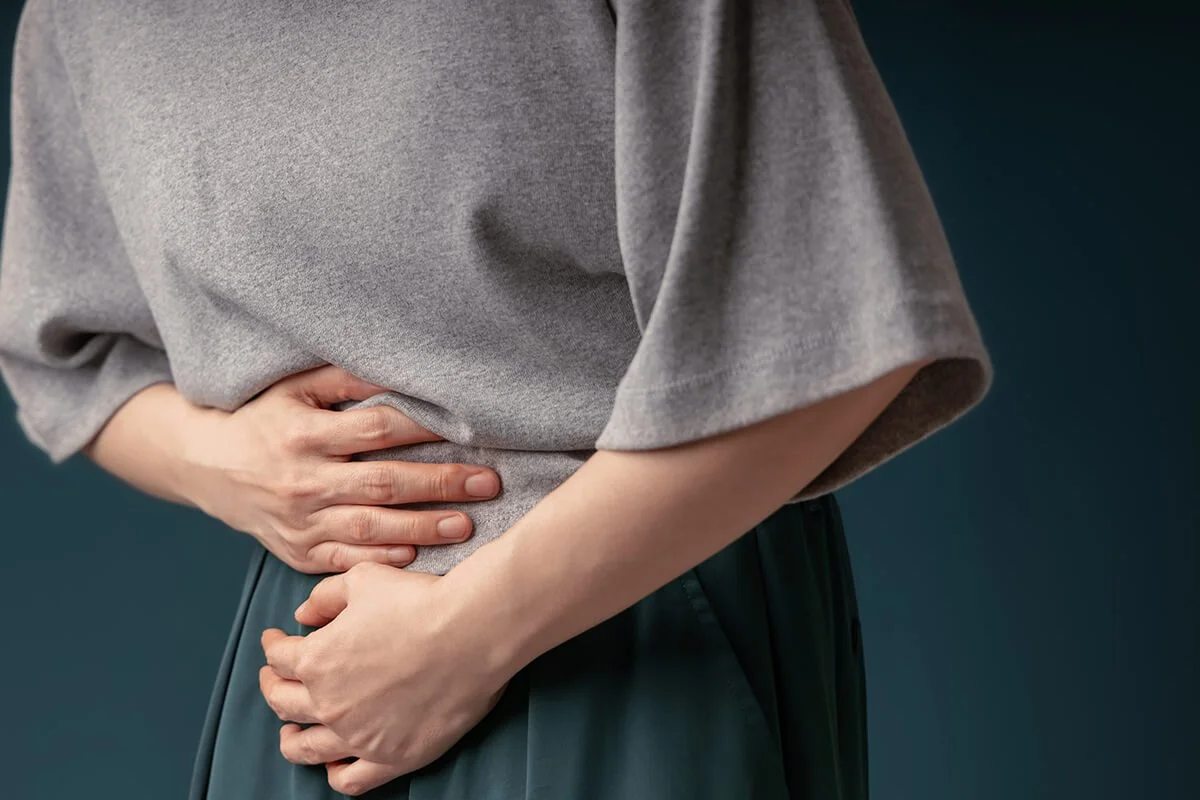
PCOS: A Complex Hormonal Imbalance
PCOS is characterized by a combination of hormonal imbalances, primarily involving elevated levels of androgens (male hormones) and insulin resistance. The name "polycystic ovary syndrome" refers to the presence of multiple small fluid-filled sacs (follicles) on the ovaries, which can interfere with regular ovulation. However, not all women with PCOS have ovarian cysts, and the diagnosis is based on a combination of criteria, including:
Irregular or Absent Periods (Oligomenorrhea or Amenorrhea)
Infrequent ovulation or a complete lack of ovulation disrupts the menstrual cycle, leading to irregular periods, missed periods, or prolonged bleeding.
High Androgen Levels (Hyperandrogenism)
Elevated levels of androgens can manifest in various ways, including hirsutism (excess hair growth on the face, chest, or back), acne, and male-pattern baldness.
Polycystic Ovaries
As mentioned earlier, the presence of multiple small follicles on the ovaries, visualized through ultrasound, is a common but not mandatory diagnostic criterion.
Beyond these core features, PCOS is associated with a range of other health concerns:
Infertility
Irregular or absent ovulation makes it difficult to conceive naturally. PCOS is a leading cause of female infertility.
Metabolic Syndrome
Many women with PCOS experience insulin resistance, a condition in which the body's cells don't respond properly to insulin. This can lead to weight gain, difficulty losing weight, and an increased risk of type 2 diabetes, heart disease, and other metabolic disorders.
Weight Gain and Obesity
Insulin resistance often contributes to weight gain, particularly around the abdomen. Obesity can further exacerbate insulin resistance and other PCOS symptoms.
Skin Problems
Acne, oily skin, and skin tags are common due to elevated androgen levels.
Mental Health Issues
Living with PCOS and its associated symptoms can take a toll on mental health. Many women experience anxiety, depression, low self-esteem, and body image issues.
Sleep Apnea
This sleep disorder, characterized by pauses in breathing during sleep, is more common in women with PCOS, particularly those who are overweight or obese.
Increased Risk of Endometrial Cancer
Having infrequent or no periods at all can result in a thickening of the endometrium (uterine lining), which increases the risk of endometrial cancer.
Challenges of Living with PCOS
Living with PCOS presents numerous challenges that extend beyond physical symptoms:
Diagnostic Delays
PCOS symptoms can vary significantly from woman to woman, leading to misdiagnosis or delayed diagnosis. This can result in frustration and a lack of appropriate management.
Emotional Impact
The physical symptoms of PCOS, such as hirsutism, acne, and weight gain, can significantly impact self-esteem and body image. The challenges associated with infertility can also cause emotional distress.
Lifestyle Adjustments
Managing PCOS often requires significant lifestyle changes, including dietary modifications, regular exercise, and stress management. These changes can be challenging to implement and maintain.
Long-Term Health Risks
The increased risk of developing serious health conditions, such as type 2 diabetes and heart disease, can be a source of anxiety and concern.
How Traditional Chinese Medicine Can Ease the Pain
TCM offers a holistic approach to managing PCOS, focusing on restoring balance within the body rather than simply treating individual symptoms.
TCM treatments for PCOS typically involve a combination of:
Acupuncture
Acupuncture can help regulate hormones, improve blood flow to the reproductive organs, reduce inflammation, and alleviate stress. Studies have shown that acupuncture can be effective in regulating menstrual cycles, improving ovulation, and reducing androgen levels in women with PCOS.
Herbal Medicine
TCM herbal formulas can help regulate hormones, improve insulin sensitivity, reduce inflammation, and address other underlying imbalances contributing to PCOS symptoms.
Dietary Therapy
TCM emphasizes the importance of a balanced diet that supports the Spleen's function of digestion and nutrient absorption. Dietary recommendations may include avoiding cold and raw foods, limiting processed foods, and incorporating warming and nourishing foods.
Lifestyle Recommendations
TCM practitioners may recommend lifestyle changes such as regular exercise, stress management techniques (e.g., Tai Chi, Qigong), and adequate sleep to support overall health and well-being.
Benefits of TCM for PCOS
TCM offers several potential benefits for women with PCOS:
Hormone Regulation
Acupuncture and herbal medicine can help regulate the hypothalamic-pituitary-ovarian (HPO) axis, which controls hormone production. This can lead to more regular menstrual cycles and improved ovulation.
Improved Insulin Sensitivity
Certain herbal formulas and acupuncture protocols can help improve insulin sensitivity, which can aid in weight management and reduce the risk of type 2 diabetes.
Reduced Inflammation
TCM treatments can help reduce inflammation throughout the body, which can alleviate various PCOS symptoms.
Stress Reduction
Acupuncture and other TCM practices can have a calming effect on the nervous system, reducing stress and improving mood.
Holistic Approach
TCM addresses the root causes of PCOS rather than just treating individual symptoms, leading to more comprehensive and sustainable results.
Integrating TCM with Conventional Care
TCM can be a valuable complementary therapy for women with PCOS, working alongside conventional medical treatments such as medication and lifestyle modifications. It's important to consult with both a qualified TCM practitioner and a conventional healthcare provider to develop a comprehensive treatment plan that addresses your individual needs.
Living with PCOS can be challenging, but there are various treatment options available, including TCM, that can help manage symptoms and improve quality of life.
For a holistic approach to wellness and hormonal health, including TCM for PCOS, contact Total Wellness Centre at 416-532-9094. We are committed to restoring your reproductive health and fertility.